

Walk past a Barcelona pastry shop the week before Easter and the window is full of chocolate castles, animals and football stadiums. They look like display pieces. They are not: they are for sale, they cost €40 to €58, and somebody is going to be given one.
The mona de Pascua is a gift, not a dessert. A godparent gives it to their godchild, which explains why bakeries here compete on modelling and sculpture rather than on recipe. Understanding that changes what you are looking at, and what you should buy if you want to take part.
What is a mona de Pascua and what does it cost? A Catalan Easter gift from godparent to godchild, in two forms: a sponge cake with chocolate egg and figurines from about €28, or a hand-modelled chocolate sculpture from €40 to €58. The city average is around €25, because that figure includes small neighbourhood monas.
Two types, and why the prices are so far apart
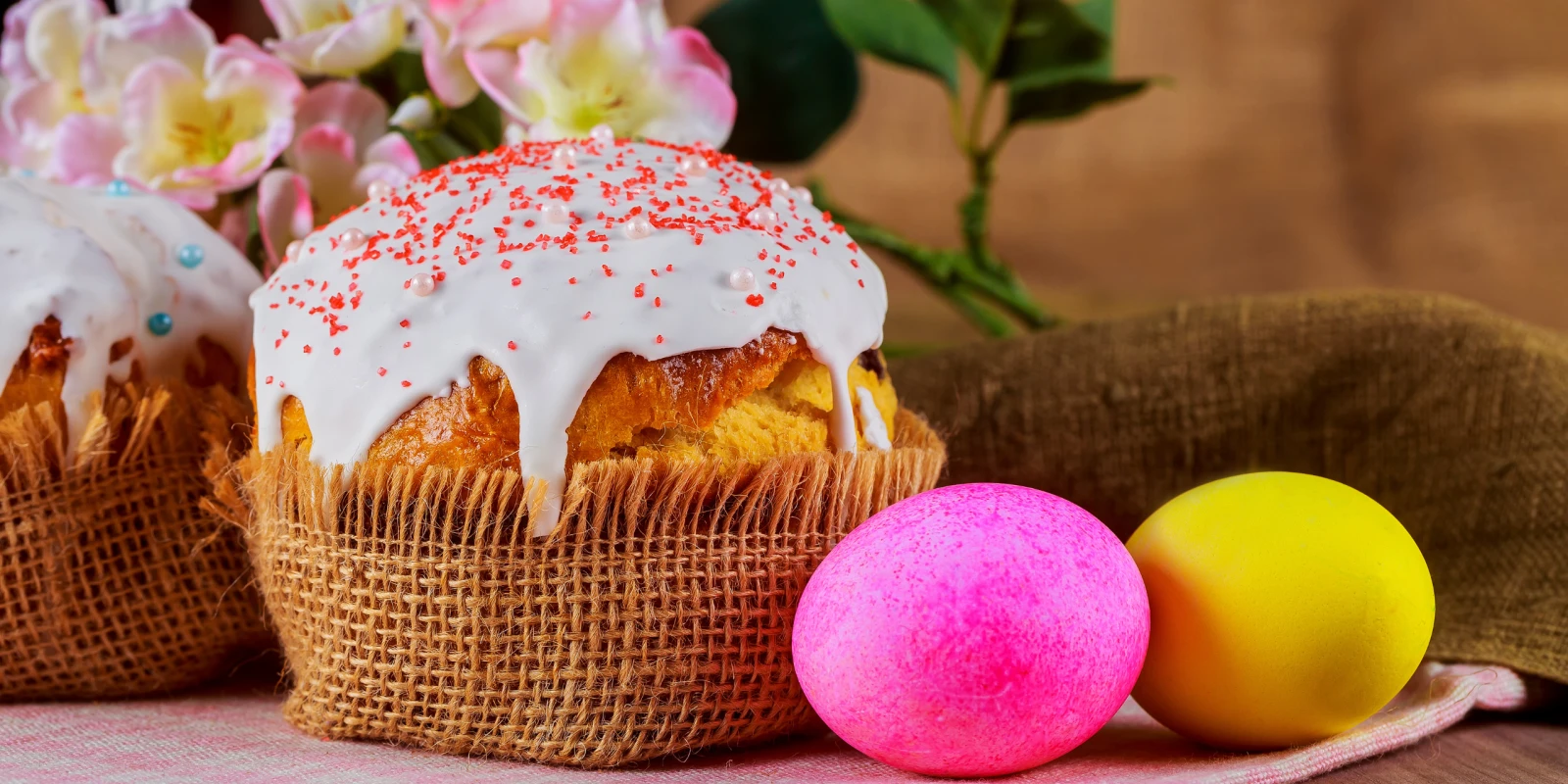
The traditional mona is sponge with cream or whipped cream, topped with a chocolate egg, feathers and small figures. It starts at about €28 and the price rises with servings, in the usual range of 8 to 20 portions, which puts a mid-sized one near €2 per head.
The chocolate figure is a different object. A solid or hollow sculpture modelled by hand, it runs €40 to €58 by size, with signature pieces above €58. What you pay for is workshop hours and chocolate tempering, not ingredient cost.
The gap between the €25 average and the €28 floor of the traditional version is the clue: the average includes small neighbourhood monas that never make it into a window display.
Six places to buy one
La Colmena, Plaça de l’Àngel 12, Ciutat Vella. Open all seven days, 9:00 to 21:00 — the widest hours here, and the only one that reliably lets you buy without ordering ahead. Trading since 1849 and on this square since 1872, at the edge of the Gothic Quarter. Phone 933 15 13 56.
Bocí, Via Augusta 112, Sarrià-Sant Gervasi. The widest range in the city with over a hundred models each season, from animals to edible chess boards. Open daily 7:30 to 21:00 — thirteen and a half hours — and the only one on this list with home delivery, from 10:00 to 15:30. Over 66 years of trade behind it.
Pastisseria Carrió, Carrer de Provença 139, Eixample. Open every day 10:00 to 20:30, opposite the Hospital Clínic. It runs the full seasonal calendar — panellets for the Castanyada, monas at Easter, coca for Sant Joan — and holds a Panellet d’Or from the Catalan pine-nut panellet route.
Escribà, Gran Via de les Corts Catalanes 546 and La Rambla 83. The city’s historic celebration house, trading since 1906. Large orders are paid 50% on acceptance and 50% before delivery, the same terms it applies to the wedding cakes covered in the wedding cakes guide.
Daniel’s Cake, Avinguda Riera de Cassoles 36, Gràcia. An order-only workshop doing chocolate monas at Easter and panettone at Christmas. Orders and delivery are arranged by WhatsApp on 634 55 43 67.
Eukarya Xocolata is the top of the range: the Easter collection of Lluc Crusellas, named World’s Best Chocolatier. Here the mona is an authored piece rather than a seasonal product.
Ordering, and the one you can still buy on the day
Easter week is the tightest window in the Catalan pastry calendar, and most of these houses work to order rather than to stock. The practical consequences:
- Order ahead for anything modelled. A chocolate sculpture is workshop time, and the good ones are spoken for before Holy Week starts.
- La Colmena is the fallback. It is the one that keeps monas available late, and it opens seven days.
- Bocí solves the logistics. If you are not in the city on the right morning, its delivery slot from 10:00 to 15:30 is the way round it.
For visitors, the tradition is worth catching precisely because it does not travel: a chocolate sculpture is not something you carry home in a suitcase. If the trip is flexible, the timing logic sits alongside the rest of the calendar in the best time to visit Barcelona.
Where the mona sits in the Catalan sweet year
Barcelona runs a fixed calendar of festive sweets, and the same houses appear at each point of it. Panellets arrive for All Saints at the start of November, the Kings’ Day tortell in January, the mona at Easter, and the coca for Sant Joan in June.
Carrió is the clearest example, covering all four. The historic houses that anchor this calendar are in the historic pastry shops guide, and for the rest of the year the city’s sweet counters are covered in the chocolate and churros guide and the best gelato in Barcelona.
Frequently asked questions about the mona de Pascua
What is a mona de Pascua?
A Catalan Easter gift rather than a dessert. Godparents traditionally give one to their godchildren, which is why bakeries compete on modelling rather than recipe. It comes in two forms: a sponge cake with chocolate egg and figurines, or a solid hand-modelled chocolate sculpture.
How much does a mona de Pascua cost in Barcelona?
The average sits around €25. A traditional sponge mona starts at about €28 and rises with the number of servings, typically 8 to 20. A hand-modelled chocolate figure runs €40 to €58 depending on size, with signature pieces above that.
Where can you buy a mona without ordering in advance?
La Colmena at Plaça de l’Àngel 12 is the one that lets you buy right up to the last minute, and it opens all seven days from 9:00 to 21:00. Everywhere else works mainly to order during Easter week.
Is the mona a cake or a present?
Both, but the present comes first. The godparent gives it to the godchild, which is why bakeries compete on modelling and sculpture rather than recipe. The piece is displayed before it is eaten, and a €58 sculpture is bought to be looked at.
When is the mona sold in Barcelona?
In the run-up to Easter, and it is the tightest window in the Catalan pastry calendar. Most workshops take orders rather than hold stock, so a modelled chocolate figure needs booking before Holy Week starts.
Does any Barcelona bakery deliver a mona to your door?
Bocí, at Via Augusta 112, runs a home delivery service from 10:00 to 15:30. It also keeps the longest counter hours in the city at Easter, 7:30 to 21:00 daily, and carries over a hundred different models each season.
If nobody is going to receive it, you are buying the wrong thing.