
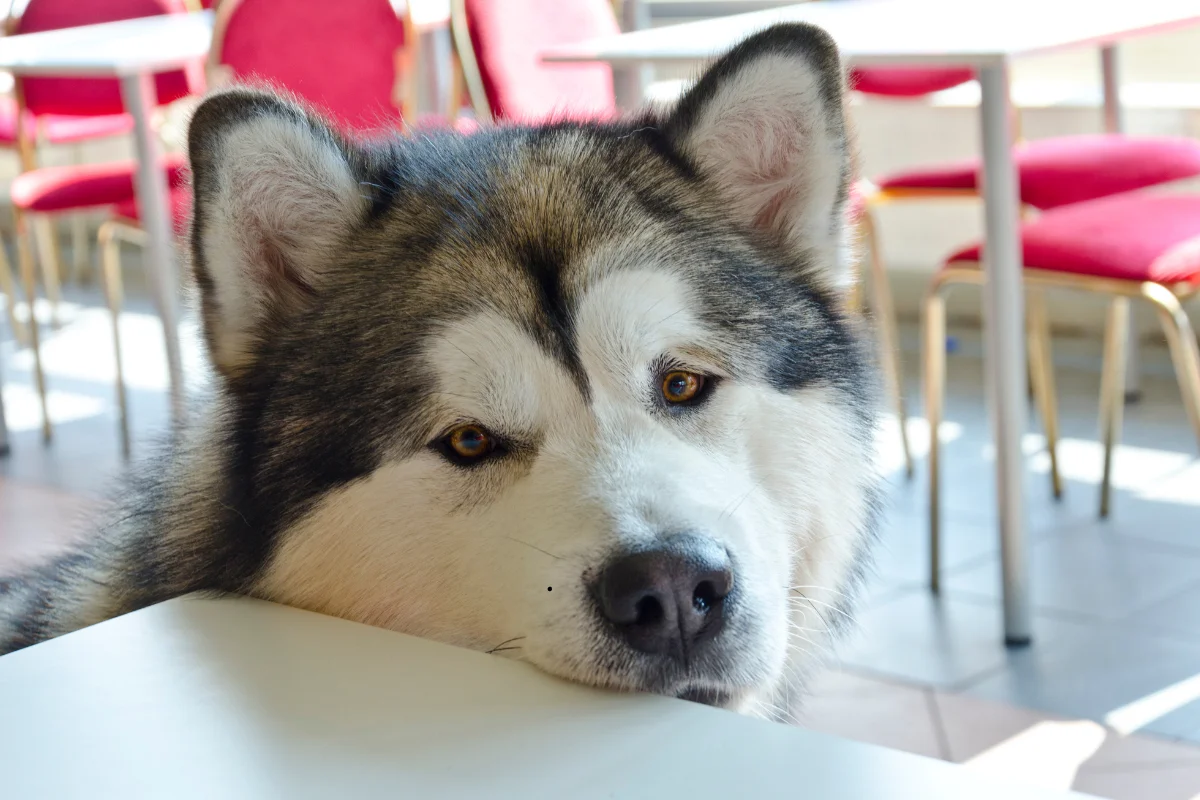

Barcelona is genuinely dog-friendly — but not in the way most travel blogs describe it. The city has 225 designated dog areas, one official dog swimming beach, and a metro system that allows dogs with a muzzle. It also has a specific ordinance with real fines (up to €600), microchip requirements at several facilities, and a rush-hour metro ban that catches visitors off guard.
This guide covers what actually works, where the restrictions are, and the less-publicized alternatives that experienced Barcelona dog owners prefer over the obvious choices.
The Rules You Need to Know Before You Go
Barcelona’s current Ordenança de Civisme (Civic Ordinance) applies to all dogs in the city — residents and visitors alike. Ignorance of local rules doesn’t exempt you from fines.
What’s mandatory everywhere:
- Leash in all public spaces not designated as off-leash zones
- Waste collection at all times — the updated ordinance also requires diluting urine with water on public pavement (no chemical additives). Fine: up to €300 for non-compliance
- Microchip registration required to access Llevant Beach, ZUC off-leash zones, and other specific facilities
- Dogs classified as Potentially Dangerous Breeds (PPP) must wear a muzzle and non-extendable leash at all times, everywhere — including designated dog areas. Only adults 18+ with an administrative license can handle them
Fine structure:
- €100 — dog off-leash outside designated zone
- €300 — dog off-leash causing a risk situation
- €600 — dog in or adjacent to a children’s play area (leashed or not)
The children’s play area rule is the one that catches visitors most often. The exclusion zone applies regardless of whether the dog is leashed or under control.
Is Barcelona dog-friendly? Yes, with conditions. There are 225 dog zones — 70 enclosed areas, 46 large recreation areas, and 109 Shared-Use Zones (ZUC) where dogs can be off-leash during specific time windows. One official dog swimming beach operates June–September (100-dog capacity, microchip required). Metro access is permitted with muzzle and short leash outside rush hours. Fines for violations range from €100 to €600.
Quick Decision — What You’re Looking For
- Dog swimming beach in Barcelona city limits → Llevant Beach — roughly 24 May to 11 September, 10:30–19:30, max 100 dogs, microchip checked at entry, showers and drinking stations on site
- Year-round dog beach near Barcelona → Cala Vallcarca in Sitges — no capacity limits, no season restrictions, natural cove setting, 15-minute walk from Sitges train station (R2 Sud from Passeig de Gràcia)
- Best park for a high-energy dog → Collserola Natural Park — 8,000 hectares of Mediterranean forest, real trails, funicular access with dogs (muzzle required on the funicular)
- Best central park for socializing → Parc de la Ciutadella — enclosed dog area, high dog density, good for meeting other owners; not ideal for dogs needing real running space
- Best brunch spot that actually welcomes dogs inside → Barna Brew or Federal Café (Sant Antoni area) — confirmed indoor dog policy, relaxed atmosphere
- Taking the metro with your dog → weekends, public holidays, and June 24 to September 11 (unrestricted); weekdays outside 7:00–9:30 and 17:00–19:00 (September–June); muzzle and short leash required at all times
- Dog classified as a dangerous breed (PPP) → muzzle and non-extendable leash required everywhere, no exceptions — including ZUC zones; fine range €300–€2,400
Barcelona’s Parks: What Each One Actually Offers
Parc de la Ciutadella — the social option
The Ciutadella is Barcelona’s most centrally located large park and the one with the highest concentration of dogs and owners at any given time. The enclosed dog area is well-maintained. Outside the designated zone, leash rules apply. Grass areas are generous and there’s good shade from the tree canopy.
What it doesn’t have: space for dogs that need distance running. The park is about socialization and pleasant walks, not exercise at speed. For a Labrador that needs to sprint, the Ciutadella will feel like a compromise.
Parc del Guinardó — more nature, less tourism
The Horta-Guinardó park complex has actual topography — paths with elevation change, panoramic views, and a noticeably quieter atmosphere than anything in the center. The dog area near Carrer de Lepant, 387 is enclosed and spacious. The surrounding neighborhood context is residential, which means the people you’ll encounter are locals with dogs rather than tourists.
The practical difference: more green, more space, more walking variety than any dog area in the Eixample. For a medium or large dog that needs genuine exercise, this is a better choice than most central options.
Collserola Natural Park — the real outdoor option
Collserola is 8,000 hectares of Mediterranean forest 20 minutes from the city center. It’s not a park in the urban sense — it’s a functioning natural park with wildlife (wild boar, birds of prey), proper trails, and real elevation.
Important: dogs must be on leash on all trails within the Natural Park to protect wildlife. This is not an off-leash destination — it’s for long walks with control. The Carretera de les Aigües is the most popular route: 10km of flat path with city views, accessible via the Vallvidrera Funicular (dogs permitted with muzzle).
Beaches: The Seasonal Calendar
Llevant Beach — the official dog beach
Passeig Marítim del Bogatell (Sant Martí district). Operates roughly 24 May to 11 September, 10:30–19:30. Maximum 100 dogs simultaneously.
Entry requires microchip verification — bring documentation or have it on the city’s digital app. The facility has freshwater showers with adapted hoses, dual-height drinking stations, mechanically sifted sand, and on-site information staff managed by Barcelona’s Public Health Agency (ASPB).
The capacity reality: on hot July and August days, the zone reaches 100 dogs before noon. Arriving before 11:00 is the reliable window.
Off-season access: the rule most visitors don’t know
From October through May (excluding Easter week and bank holiday weekends), dogs can access all Barcelona beaches freely — including Barceloneta, Mar Bella, Bogatell, and Fòrum — with no season restriction, no capacity limits, and no leash requirement at the water’s edge. This is one of the most practical aspects of Barcelona for dog owners and one that almost no travel guide mentions clearly.
Better alternatives outside the city
Cala Vallcarca (Sitges): the most consistently recommended option by Barcelona-based dog owners. Natural cove, no capacity restrictions, 365 days a year, no facilities but no rules either. Train: R2 Sud from Passeig de Gràcia to Sitges, then 15 minutes north along the seafront.
Poniente Beach (Mataró): 1,000m² designated zone on the south end, with security staff and vaccination documentation requirements. One specific detail not found at other beaches: industrial magnets sweep the sand twice weekly to detect fish hooks — one of the only facilities of this type on the Catalan coast.
Patins de Vela Beach (Badalona): year-round access, showers, 20 minutes from Barcelona by commuter train.
Cafés and Restaurants: Where Dogs Are Actually Welcome
The baseline rule in Barcelona: dogs are accepted on the terrace (terrassa) of virtually every café and restaurant — this is standard practice and requires no special permission. For indoor access, it depends on each establishment’s policy. Calling ahead removes any uncertainty.
Places with confirmed indoor dog-welcome policies:
- Barna Brew (Sant Antoni): craft beer bar, dogs inside and on terrace, casual food, no attitude
- Federal Café (Sant Antoni): large, open-plan space that works well for bigger dogs — table distances make it physically comfortable
- Billy Brunch & Garden (Eixample): garden interior, openly pro-dog policy, frequently cited by local dog owners
- Little Fern Café (Poblenou): New Zealand-style brunch, pet-friendly by house policy
- The Egg Lab (Born): El Born in general has the highest density of dog-welcoming cafés in central Barcelona
- Nolita (Poblenou): industrial space, wide aisles, fresh water offered without asking
Most dog-permissive neighborhoods: Poblenou, Sant Antoni, Gràcia, and El Born lead on indoor acceptance. The Eixample has high dog density (neighborhood demographics) but more variable indoor policies.
Public Transport: The Practical Rules
| Transport | Dogs Allowed | Cost | Restrictions |
|---|---|---|---|
| Metro (TMB) | Yes | Free | Muzzle + short leash; banned weekday rush hours Sept–June (7:00–9:30 and 17:00–19:00); unrestricted weekends + summer |
| FGC (suburban rail) | Yes | Free | Muzzle + leash; staff can refuse if train is overcrowded |
| Rodalies (Renfe commuter) | Yes | Free | Muzzle + leash; no time restrictions |
| Renfe Regional (Sitges etc.) | Yes | +25% surcharge on owner’s ticket | Applies to longer-distance routes |
| City Bus | Only in carrier | — | Not practical for most dogs |
| Taxi | Driver’s discretion | Standard fare | Radio Taxi 003 has a pet-friendly vehicle filter |
The escalator rule: escalator use is prohibited with dogs — the risk of paw entrapment is real and documented. Always use lifts or fixed stairs.
Each off-leash zone keeps its own hours
The ZUC time windows — the Shared-Use Zones where dogs can be off-leash — are not consistent across parks. Each ZUC has its own active hours (typically early morning and late afternoon), and they vary by location. The Barcelona City Council app shows the active off-leash window for each specific zone in real time. Most visitors don’t know this tool exists, so they either keep the dog leashed when off-leash is permitted, or get fined for letting the dog run when the window has closed.
The second underreported fact: Casa Batlló allows one dog per person with no weight or breed restriction (except PPP rules apply). The immersive digital experience inside the building can be overstimulating for noise-sensitive dogs — it’s worth testing your dog’s reaction to sudden audio before committing to the full visit.
The third: the Sagrada Família does not allow dogs inside under any circumstances, and the surrounding streets have high pedestrian density that many dogs find stressful. Planning around this rather than through it saves everyone friction.
Is It Worth Bringing Your Dog to Barcelona?
Yes, if: your dog is comfortable in urban environments with noise, crowds, and irregular surfaces. Barcelona’s old-town streets (cobblestone, narrow, high foot traffic) are manageable but stimulating. If your dog handles city environments well, Barcelona is one of the most dog-inclusive major cities in Mediterranean Europe.
Depends, if: you’re visiting in summer and the Llevant Beach capacity limit (100 dogs) is part of your plan. Peak summer days see the beach fill before noon — if beach swimming is the main reason to bring the dog, Cala Vallcarca in Sitges is a more reliable option.
Less ideal, if: your dog is reactive or has difficulty with stimulus overload. The Gothic Quarter, La Rambla, and Las Ramblas adjacents are genuinely intense — narrow streets, dense crowds, unpredictable noise. Dogs that need calm urban environments will find the central tourist circuit genuinely difficult.
Mistakes to Avoid
- Assuming rush-hour metro access without checking — the weekday ban (7:00–9:30 / 17:00–19:00 September through June) applies strictly. Weekend and summer access is unrestricted
- Going to Llevant Beach on a hot afternoon in August without a backup plan — the 100-dog capacity fills by mid-morning. Arriving after 11:30 risks being turned away
- Walking near a children’s play area without reading the zone markers — the €600 fine applies even if the dog is leashed and under control. The exclusion zone is marked with signage but it’s easy to miss
- Not having microchip documentation ready — the Llevant Beach gate and some ZUC facilities check microchip registration. Having it in the city’s digital app (or a paper document) avoids delays
- Using escalators — muzzle or not, the risk to paw pads and claws on escalator teeth is real. This is not excessive caution — it’s documented in vet reports from the city
For a broader view of the city’s outdoor spaces that work for dogs year-round, the Barcelona outdoor activities guide covers the park network in more detail. For day trips where the dog is central to the plan — Sitges, Collserola, the Costa Brava — the hiking near Barcelona resource maps the accessible trail options with transport details from the city.