
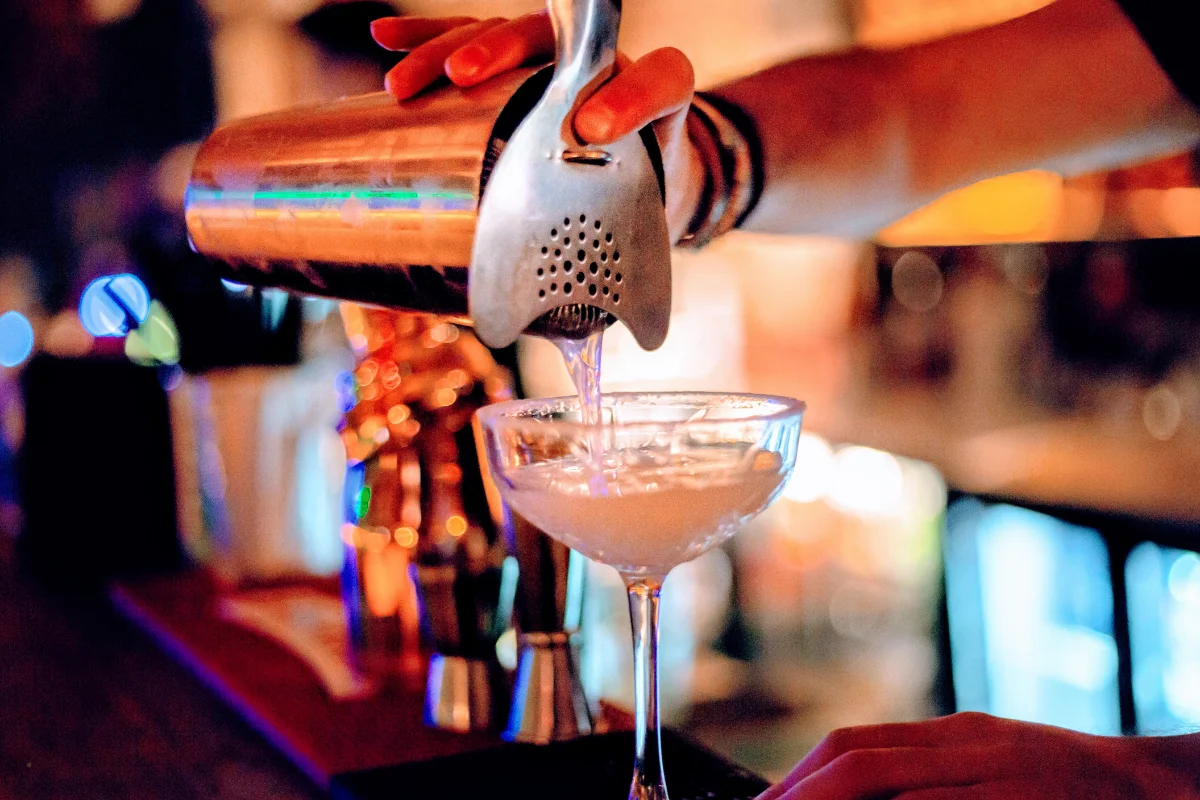

Barcelona has a problem with mocktails — or rather, most cities do, and Barcelona has solved it better than most. The problem is this: removing alcohol from a cocktail without compensating for what alcohol actually does (carry flavour, add body, create mouthfeel) produces expensive juice. Most bars do exactly that and charge €12 for it.
The exception in Barcelona is significant: two of the world’s top five cocktail bars are here, and both treat their zero-alcohol programme with the same technical rigour as their main menu. When Paradiso uses a rotary evaporator and shio koji to build a non-alcoholic drink, the result is not a concession to non-drinkers — it’s flavour engineering applied to a different glass.
This guide covers the bars where the technique is real. It also explains what separates a genuine mocktail from expensive fruit juice, so you can tell the difference before ordering.
Where are the best mocktails in Barcelona?
Paradiso (El Born, Carrer de la Espaseria 9) — #4 World’s Best Bar, zero-alcohol drinks using shio koji, umeboshi, and rotary evaporation, entry through a fridge door. Sips (Eixample, Carrer del Consell de Cent 329) — #3 World’s Best Bar, Root Mule with galangal and turmeric, Banana & Coconut with creamy texture, reservation required. Mariposa Negra (El Born) — 15 zero-alcohol options, 3D-printed ceramic glasses, scorpion chilli, €11–15. Apothucker (Sant Antoni) — 4.9★ Google, apothecary concept, seasonal ingredients. Dry Martini (Eixample) — classic bar since 1979, well-structured zero-alcohol programme.
Quick Decision
- World’s best bar, zero-alcohol at laboratory level → Paradiso — no reservation, virtual queue via QR at the door
- Most technically rigorous, reservation essential → Sips — galangal, fat-wash, no physical bar
- 15 zero-alcohol options, most narrative → Mariposa Negra — Born, literary concept, 3D-printed glasses
- Best rating on this list, apothecary atmosphere → Apothucker — 4.9★, Sant Antoni, music and seasonal botanicals
- Classic European cocktail bar with no-alcohol programme → Dry Martini — since 1979, Eixample, impeccable service
- No menu, bartender builds to your profile → Tandem Cocktail Bar — Eixample, most accessible price on this list
- Buy zero-alcohol spirits to make mocktails at home → Sense Shop — Gràcia, where Barcelona’s top bartenders source their 0.0 bases
The Technical Problem Most Bars Don’t Solve
Before the venue list, the criterion that separates genuine mocktails from overpriced juice — because knowing it changes what you order and where.
Alcohol in a cocktail performs four functions: it carries aromatic compounds (dissolving flavours that water can’t), adds body and viscosity, creates a “bite” sensation through the trigeminal nerve, and provides structure that prevents flavour collapse. Remove the alcohol without compensating for those functions and the drink is flat, thin, and short. Most bars don’t compensate. They add fruit juice, perhaps some herbs, and charge €11.
The techniques Barcelona’s best bars use to solve this:
Rotary evaporation — distils ingredients under vacuum at low temperature, extracting pure aromatics without the bitter notes that heat produces. Paradiso uses this.
Controlled fermentation — kombucha, water kefir, lactoferments — adds complex acidity and natural effervescence. Apothucker works this way.
Chilli as alcohol substitute — high-intensity chillis activate the same trigeminal receptors as alcohol’s warmth and “bite.” Mariposa Negra uses scorpion chilli deliberately for this reason.
Galangal and other rhizomes — galangal (not the same as ginger: it has floral, citrus, and pine notes ginger doesn’t) provides aromatic complexity that mimics the register of a spirit. Sips uses galangal in their Root Mule.
Fat-wash in non-alcoholic bases — infuses oils into aqueous bases to add body without calories. The same technique used in spirits-based cocktails, applied to zero-alcohol liquids.
If none of these appear in a bar’s zero-alcohol programme, what they’re serving is sophisticated juice.
Who Is This For?
- Non-drinker at Barcelona’s best cocktail bar → Paradiso or Sips: the zero-alcohol programme is not a secondary offer at either venue
- Designated driver in a group → Dry Martini or Tandem: consistent quality without advance booking, clear drinks menu
- Someone reducing alcohol rather than eliminating it → Mariposa Negra: 15 options across a wide flavour range, some using botanical zero-alcohol spirits
- First-time visitor who wants to understand what Barcelona’s cocktail scene actually is → Paradiso first, then Boadas for historical context — the Barcelona speakeasies and historic bars guide covers how the scene got here
- Person buying zero-alcohol spirits to experiment at home → Sense Shop in Gràcia — over 150 references, professional-level advice
Paradiso: Laboratory Technique at the World’s #4 Bar
Carrer de la Espaseria 9, El Born. No reservations. Virtual queue via QR at the door — weekend waits of 60–90 minutes.
The entry is through the door of a vintage fridge in what appears to be a pastrami sandwich shop. The bar behind it runs themed menus with names — the current one is “The Mysteries of the Universe” — and a zero-alcohol section using the same technical logic as the rest of the menu.
The Messenja is the most cited example of their zero-alcohol technical capability: coconut water, umeboshi (Japanese fermented plum), shio koji, purple shiso, wasabi, and Perrier. The shio koji and umeboshi contribute salinity and umami — the structure that alcohol would normally provide. The wasabi generates the volatile note that stimulates nasal receptors and compensates for ethanol’s bite. This is not an exotic juice: it’s flavour engineering applied to an alcohol-free glass.
The Milky Way 0.0 uses oolong tea, grapefruit, citrus, sesame syrup, pear, and mirin — a balance of sweetness, acidity, and the unctuous quality of sesame that no juice can replicate.
Ask the bartender directly about the current zero-alcohol options — the menu rotates with each themed programme.
The El Born neighbourhood around Paradiso has enough to fill the waiting time — Santa Maria del Mar is two minutes on foot, and the Born CCM archaeological site is around the corner.
Sips: The #3 Bar in the World, and What Galangal Does
Carrer del Consell de Cent 329, Eixample. Reservation strongly recommended — or expect a long door wait.
Founded by Marc Álvarez and Simone Caporale, Sips removed the traditional bar entirely to place bartenders at the same level as clients. The main bar has zero-alcohol options at the same technical level as the rest of the programme.
The Root Mule uses turmeric, ginger, and galangal. Galangal is the technical detail that separates this drink from anything you could make at home: it has floral, citrus, and pine notes that common ginger doesn’t, generating complexity that’s impossible with standard ingredients. The Banana & Coconut integrates banana, coconut, coffee, and honey in a creamy texture that challenges the usual perception of what a non-alcoholic drink can feel like in the mouth. The Ume uses zero-alcohol gin, plum, and vanilla — demonstrating how new-generation 0.0 distillates function as genuine mixology bases.
Sips applies a “Fruit Texture Pantone” system that classifies fruits by density for beverage purposes — texture is treated as an ingredient, not an accident.
This is the right choice for anyone who wants to understand the ceiling of what non-alcoholic cocktail technique can achieve. Book in advance.
Mariposa Negra: 15 Zero-Alcohol Options and Scorpion Chilli
Plaça de les Olles 4, El Born. Price €11–15.
Luca Corradini built this bar inspired by Carlos Ruiz Zafón’s Barcelona novels, and the zero-alcohol programme occupies a central position — it’s not the “alternatives” section, it’s part of the bar’s editorial concept. The glasses are ceramic, designed and produced in the bar’s own 3D printing operation — forms that don’t exist in conventional glassware.
The Drac Volador (0.0): pennyroyal, basil, lemon, cucumber, coconut milk, and ginger. Mediterranean herbs with the creaminess of coconut and the heat of ginger. The Correfocs (0.0): lemon, cherry, honey, and house-made scorpion chilli zero-alcohol liqueur, served in artisanal metal vessels.
The scorpion chilli choice is technically deliberate: it’s one of the hottest peppers in the world, and activating the trigeminal receptors with that intensity of heat directly substitutes for the warmth and bite that ethanol provides. It’s not just a flavour note — it’s a structural replacement for the alcohol’s physiological function.
15 options on the zero-alcohol menu, all with the same elaboration level as the rest.
Apothucker: 4.9 Stars and the Apothecary Concept
Carrer de Viladomat 43, Sant Antoni. Price €10–12.
With 4.9 out of 5 on Google, this is the highest-rated venue on this list. The concept is an apothecary — “remedies for each mood” — with seasonal ingredients, local production, and live music. Reviews specifically highlight the mocktails as genuinely creative rather than afterthoughts.
The approach is not to replicate classic cocktails without alcohol but to create original flavour profiles from botanicals and the season. It’s the most neighbourhood-facing bar on this list — Carrer de Viladomat in Sant Antoni has become one of Barcelona’s most food and drink-dense streets in the past decade, and Apothucker fits that character rather than trying to transcend it.
Dry Martini: Classic European Craft Since 1979
Carrer d’Aribau 162, Eixample. Price €12–18.
Opened in 1979, directed by Javier de las Muelas since 1996. The only option on this list that operates as a classic European cocktail institution. Zero-alcohol drinks are not the centre of the proposition but are well-resolved: versions with a Martini 0.0 base with apple juice and soda, or soda with grapefruit. The Ready to Drink line includes the Strawberry Fields, the Ipanema, and the Signature Iced Tea — bottled non-alcoholic cocktails maintaining house standards.
What Dry Martini offers that nothing else on this list can: the atmosphere of a classic European bar with over forty years of history, impeccable bar service, and the confidence of a venue that knows exactly what it’s doing. For a group where some drink and some don’t, the consistency across both programmes is unmatched.
Tandem Cocktail Bar: No Menu, Everything Custom
Carrer d’Enric Granados 15, Eixample. Price €10–14.
No fixed menu. The model: the bartender asks what you like to drink — flavour profiles, references, preferences — and builds something specific for you. For mocktails, the process is identical: explain you don’t drink alcohol, describe the experience you’re looking for, and the technical capacity is there to produce something that exists on no other bar’s menu.
The most accessible price point on this list for the technical level it delivers. On Carrer d’Enric Granados — one of the Eixample’s best semi-pedestrianised streets — it sits in good company with restaurants and cafés that reward walking slowly.
Comparison Table
| Bar | Zone | Price | Technical level | What defines it | Reservation |
|---|---|---|---|---|---|
| Paradiso | El Born | €13–18 | Laboratory | #4 world, rotary evaporation, shio koji | No — virtual queue |
| Sips | Eixample | €14–18 | Laboratory | #3 world, galangal, fat-wash | Essential |
| Mariposa Negra | El Born | €11–15 | High | 15 zero-alc options, 3D glasses, scorpion chilli | No |
| Apothucker | Sant Antoni | €10–12 | High | 4.9★, apothecary, seasonal, live music | No |
| Dry Martini | Eixample | €12–18 | Classic | Since 1979, European institution | Recommended |
| Tandem | Eixample | €10–14 | High | No menu, everything custom | No |
| Sense Shop | Gràcia | n/a | Retail | 150+ zero-alc references, where bartenders shop | n/a |
Choose by technique, not by neighbourhood
Neighbourhood is the wrong filter here. Where to go for a non-alcoholic drink should depend on what technique the bar is using, not where the bar is located. Paradiso and Mariposa Negra are both in El Born — that geographic proximity means nothing for the experience. The rotary evaporator versus the scorpion chilli is the relevant comparison.
They don’t explain why zero-alcohol drinks at these price points are justified. A €15 mocktail at Paradiso is not expensive juice marked up by brand. Premium zero-alcohol distillates (Lyre’s, Seedlip, Atopia) cost comparable amounts to standard spirits. The rotary evaporator, the 3D-printed ceramics, the house-fermented ingredients — these are real production costs. The price is defensible because the product is genuinely different.
They ignore Sense Shop entirely. The store in Gràcia where Barcelona’s top bartenders source their zero-alcohol bases is the most useful single destination for anyone who wants to understand the ecosystem. It appears in approximately no standard guide.
Mistakes to Avoid
- Going to Paradiso on a Friday or Saturday without planning for the queue — the virtual queue system is real, and 60–90 minutes is accurate for peak hours. Use the waiting time to walk the El Born neighbourhood rather than standing at the door.
- Booking Sips for the Esencia tasting menu experience expecting a full zero-alcohol pairing — the Esencia format doesn’t currently offer a full non-alcoholic menu alternative. The main bar at Sips is where the zero-alcohol options live.
- Ordering a “non-alcoholic cocktail” at a bar not on this list and expecting comparable quality — most Barcelona bars have zero-alcohol options in name only. If the bar isn’t specifically known for its mocktail programme, what you’ll get is juice with garnish.
- Assuming zero-alcohol means cheaper — it doesn’t at this level. The production costs are comparable. Expecting a €6 non-alcoholic option at Paradiso or Sips means misunderstanding the product.
- Going to Mariposa Negra and not asking specifically about the 3D-printed ceramic glasses — the glassware is a design statement, not incidental. Asking about it opens a conversation about the bar’s broader concept that makes the visit richer.
Best Strategy
Short on time, one bar → Paradiso. No reservation needed, the zero-alcohol programme is the most technically ambitious on the list, and the entry experience (fridge door, pastrami shop) is part of the visit. Go on a weekday to minimise the queue.
Special occasion, reservation made → Sips. The most technically rigorous programme in the city, the absence of a physical bar creates an unusual intimacy, and the galangal Root Mule is the single most technically interesting zero-alcohol drink available in Barcelona.
Full evening across two bars → Mariposa Negra (narrative atmosphere, 15 options, 3D glasses, early evening) → Paradiso (later in the evening when the queue is more manageable, or use virtual queue from Mariposa). Both in El Born, ten minutes apart on foot.
The broader Barcelona cocktail bars guide covers the full programme at these same venues including their alcohol-based menus — useful context for groups where some drink and some don’t.
How much do mocktails cost in Barcelona?
At craft cocktail bars and author venues, the average price is €11–15. At world-ranked bars (Paradiso, Sips), up to €18. The price is not significantly lower than an alcoholic cocktail because production costs are comparable: premium zero-alcohol distillates cost similar amounts to standard spirits. A cheap mocktail at this level doesn’t exist — and if it does, it’s not at this level.
Should you order from the menu or ask the bartender to improvise?
Depends on the bar. At Paradiso and Sips, the zero-alcohol menu is already at the same technical level as the rest of the proposition — ordering as written is the best approach. At Tandem, there’s no menu: the bartender always works to order. At Mariposa Negra, the 15-option menu is so considered that improvisation adds nothing. At other bars, describing your flavour profile — citrus, bitter, floral, herbal — generally produces better results than asking for “something without alcohol.”
Is there a 100% zero-alcohol bar in Barcelona?
Not in the cocktail bar sense. Sense Shop in Gràcia is the specialist store, not a bar. What exists is an increasingly serious integration of zero-alcohol sections within craft cocktail bars. Barcelona doesn’t yet have the standalone alcohol-free bar concept that exists in some northern European cities — but the quality of what’s available within these venues makes that less relevant than it sounds.
Barcelona’s zero-alcohol cocktail scene isn’t a wellness movement dressed up as mixology. It’s a genuine technical expansion of what flavour can do when ethanol stops being the default vehicle. The rotary evaporator at Paradiso, the galangal at Sips, the scorpion chilli at Mariposa Negra, and the seasonal ferments at Apothucker are all solving the same technical problem from different angles. That four bars in the same city have found four distinct solutions to it is more interesting than any single answer they could have arrived at together.