
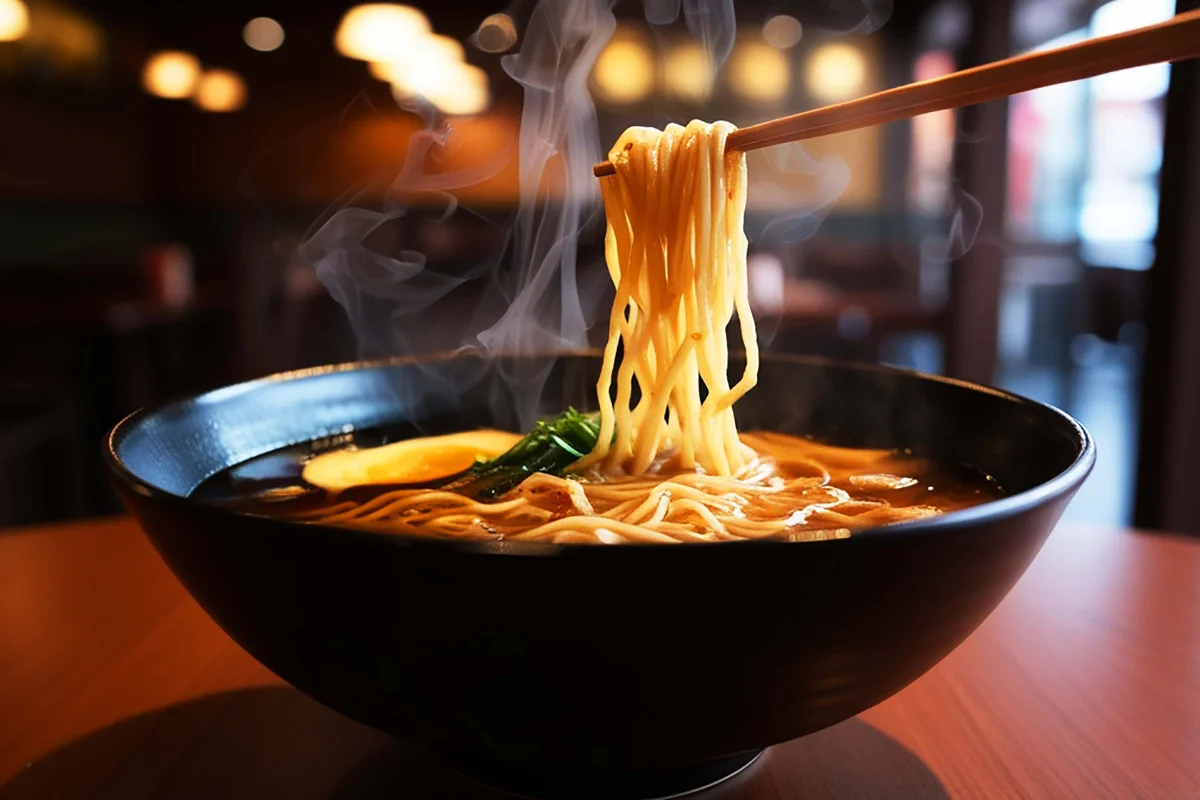

Most people pick ramen by neighborhood or by how many Instagram photos a place has. That’s also why most people leave disappointed. A tonkotsu simmered for 18 hours until the fat and collagen emulsify into something almost creamy has nothing to do with a light, mineral shio — and confusing them is the main reason someone walks out of one of the city’s best ramen spots thinking it wasn’t worth it.
This guide starts with the broth. Then the restaurant.
Quick Answer: Best ramen restaurants in Barcelona? Ramen-Ya Hiro (Eixample, since 2012, referenced in Japan’s Ramen Museum, 10–15h broth): no reservations, arrive 45 min early. Kobuta Ramen (Sants, niboshi umami base, lunch menu €10.90): most authentic flavor profile. Kanada-Ya (Eixample, 18h Hakata tonkotsu, cold ramen-gazpacho exclusive to Barcelona). Noru Bar (Poblenou/Gràcia, ex-Gresca/Gaig chef, artisan tableware): best ramen for food culture travelers. Umami Plant Based (Gràcia): best vegan ramen in the city, reservation required.
Quick Picks
- Most authentic → Ramen-Ya Hiro (Japan’s Ramen Museum reference)
- Best value → Kobuta Ramen (€10.90 lunch, niboshi broth)
- Best tonkotsu → Kanada-Ya (18h Hakata style)
- Most creative → Noru Bar (chef-driven, seasonal, artisan tableware)
- Best vegan → Umami Plant Based (house-made noodles, miso, tempeh)
- Best bar format → Grasshopper (15 stools, 18h broth, no concessions)
- Best without waiting → Ryu Ramen (Poblenou, from €7.50, low crowd)
Quick Decision
- Want Japan-certified authenticity → Ramen-Ya Hiro
- Want the most flavor for the least money → Kobuta Ramen
- Want tonkotsu done the Fukuoka way → Kanada-Ya
- Want ramen as a chef’s creative project → Noru Bar
- Want vegan and won’t compromise on depth → Umami Plant Based
- Want the closest thing to a Tokyo ramen bar → Grasshopper
- Want to explore without a long wait → Ryu Ramen (Poblenou)
Who Is This For?
- First-time ramen eaters → Koku Kitchen: accessible format, explains the dish, no pressure
- Ramen purists → Ramen-Ya Hiro or Kobuta: technical authenticity, correct process
- Tonkotsu fans → Kanada-Ya: 18h Hakata-style, the Barcelona exclusive fusion option
- Food culture travelers → Noru Bar: chef background, seasonal menu, artisan ceramics
- Vegan travelers → Umami Plant Based: genuinely the best plant-based ramen in the city
- Budget travelers → Ryu Ramen (from €7.50) or Kobuta lunch menu (€10.90)
The Four Broth Types in Barcelona’s Ramen Scene
Before choosing a restaurant, know what you’re looking for. The four styles present in Barcelona produce completely different eating experiences:
Tonkotsu — pork bone broth cooked until fat and collagen emulsify. Off-white color, almost creamy texture, powerful and persistent flavor. The most popular style in the city.
Miso — broth base with fermented soybean paste. Rounder salinity than shoyu, deep umami, more tolerant of heavy toppings.
Shoyu — soy sauce base. More transparent and toasted than miso, lets the underlying broth depth show more clearly.
Shio — salt base, the lightest and most technically demanding of the four. If the broth has flaws, shio exposes them.
With that clear, here’s how each restaurant maps to what you’re looking for.
Ramen-Ya Hiro: The Japan-Certified Pioneer
Hiroki Yoshiyuki opened Ramen-Ya Hiro at Carrer de Girona 164 in the Eixample in 2012 — the first specialized ramen-ya in Barcelona and in Spain. The menu has three recipes: soy (chicken and pork), miso, and seafood. Broths cook between 10 and 15 hours using original Japanese equipment that also produces the noodles on-site.
The most unusual recognition of any ramen restaurant in the city: Ramen-Ya Hiro is referenced in the Shin-Yokohama Ramen Museum — the Japanese institution dedicated to documenting the history of the dish. That recognition is rarely granted to establishments outside Japan.
What to order: the soy broth (shoyu base) to understand the foundation, or the seafood for the most distinctive option in the city.
Access policy: no reservations. The queue is consistent at dinner and weekends. The unwritten rule among regulars: arrive 45 minutes before opening to avoid the second table rotation. Average wait without that buffer: 45–60 minutes.
Lunch menu around €12. One of the most contained prices for the technical level on offer.
Location: Carrer de Girona 164, Eixample. No reservations.
Kobuta Ramen: Niboshi, Authenticity, Best Lunch Value
Hiroshi and Claudia run Kobuta Ramen in Sants with a flavor profile that ramen purists consistently identify as the closest to Japanese taste in the city. The differentiating ingredient: niboshi — dried baby sardines — as the umami base of the pork broth. Niboshi is a standard depth ingredient in Japanese neighborhood ramen bars that practically doesn’t exist in any other Barcelona ramen.
Three options on the menu: pork, pork with dried fish, and vegetarian. Broth cooks for over 10 hours. In summer: Hiyashi Tiananmen — the cold version for those who don’t want hot soup in August.
What to order: the pork + niboshi base — it’s the reason to go here specifically.
The economic argument: lunch menu at €10.90, average ticket €15. Best price-to-authenticity ratio on this list.
The space is small. The 45-minutes-before-opening rule applies here too.
Location: Carrer de Súria, Sants.
Kanada-Ya: 18-Hour Hakata Tonkotsu — and the Barcelona Exclusive
Kanada-Ya at Carrer de València 240 in the Eixample comes from London, where it has a reputation as one of the UK’s best tonkotsu restaurants. The pork bone broth cooks for 18 hours following the Fukuoka style — the southern Japanese city where tonkotsu is the dominant ramen tradition. Noodles are straight and very thin, typical of the Hakata style.
The Barcelona-exclusive detail: Kanada-Ya Barcelona offers a cold ramen-gazpacho — a fusion with Catalan cuisine that doesn’t exist at any of their international locations. It’s the only point on the menu where local ingredient culture intersects with Japanese broth technique.
Four noodle firmness levels — soft, medium, firm, extra firm — allow texture adjustment. For those who haven’t chosen before: “firm” is the Japanese standard.
What to order: tonkotsu at firm noodle level on first visit. Cold ramen-gazpacho in summer if you want the Barcelona-exclusive experience.
Location: Carrer de València 240, Eixample.
Noru Bar: Chef-Driven Ramen with Fine Dining Background
Daniel Benito worked at Gresca and Gaig before opening Noru Bar — two of Barcelona’s serious fine dining references. His ramen starts from Japanese technical foundations and integrates Southeast Asian elements, with a menu that changes seasonally. The tableware is handmade by Adarbakar — a detail no other ramen restaurant in the city has bothered with, and one that signals the level of attention to the complete experience.
Average ticket around €20, placing it clearly in the author-ramen segment. Two locations: the original in Poblenou (Carrer de Pere IV 152) and a more recent one in Gràcia (Carrer de Francisco Giner 6).
What to order: whatever is on the seasonal menu — that’s where the chef’s background shows most clearly.
For anyone who wants ramen outside orthodoxy, with a chef’s sensibility and no concessions to volume: Noru is the most interesting option in the city.
Price: ~€20. Reservation: recommended.
Grasshopper Ramen Bar: 15 Stools, 18-Hour Broth, No Concessions
Gilles Brown’s project — who also created Mosquito and Red Ant in El Born — has 15 stools and a bar that wraps around the open kitchen. It’s the closest thing to a Japanese neighborhood ramen bar available in Barcelona: no reservations, minimal décor, no concessions to tourist-facing format.
Broths cook for 18 hours. Noodles are made with Japanese alkaline solution (kansui) for the correct elasticity and bite. The pairing program with Catalan and international craft breweries adds a dimension that few ramen restaurants have developed systematically.
What to order: whatever the daily special is — the kitchen produces a limited quantity and it changes.
Before you go: 15 seats, no reservations, average wait 20–45 minutes. The most restrictive capacity on this list. The reward is proportional.
Location: El Born.
Koku Kitchen: Where Barcelona Learned to Eat Ramen
Ross Mark, Mark Liston, Ross O’Doherty, and chef Robert Johansson founded Koku Kitchen with an honest premise: “We serve Japanese food, but we’re not Japanese.” That transparency enabled them to create an accessible Asian tavern atmosphere without purist ceremonialism. Chalkboards in the restaurant actively encourage slurping — the nodogoshi (the tactile sensation of drawing the noodle through the teeth) is part of the dish.
Three locations with different profiles: Gothic Quarter (Carabassa 19, founding location, shiitake and kombu broth option for celiac diners); El Born (Comerç 29, dual format with bamboo buns on one floor and ramen on another); Sant Antoni (Viladomat 104, oriented toward group reservations).
What to order: miso ramen as the entry point — it’s the most accessible and shows the technique clearly.
Reservations available via TheFork. Walk-in wait: 15–30 minutes.
Locations: Gothic Quarter, El Born, Sant Antoni.
Umami Plant Based: The Best Vegan Ramen in Barcelona
Mike Davies runs Umami Plant Based in Gràcia with a degree of vertical integration that few conventional ramen restaurants achieve: noodles, miso, tempeh, seitan, and gyozas are all made in the in-house workshop. The vegan Tantanmen — sesame and chili broth with artisan noodles — has the flavor depth normally associated with animal fat.
In the first year of operation they served over 19,500 portions. That number matters not as marketing but as evidence that demand extends well beyond the vegan niche — it’s pulling in diners who simply want good ramen.
What to order: Tantanmen. The sesame-miso combination is where the in-house production makes the biggest difference.
Reservation required. Without one, the wait is unpredictable.
Location: Gràcia.
Ryu Ramen: Best Value, Lowest Wait
Ryu Ramen at Carrer de Sancho de Ávila 178 in Poblenou has bowls from €7.50 — the lowest entry price for genuinely good ramen in the city. Lunch menu at €11.90. Short menu, high execution, and a location outside the main tourist circuits that keeps crowd levels manageable.
What to order: the house tonkotsu — it’s the benchmark for comparing the price-to-quality ratio against more expensive options on this list.
For anyone who wants to explore the ramen scene without the waiting times of better-known spots: Ryu is the most efficient option on this list.
Location: Carrer de Sancho de Ávila 178, Poblenou.
Full Reference Table
| Restaurant | Broth style | Average price | Reservations | Wait without reservation |
|---|---|---|---|---|
| Ramen-Ya Hiro | Shoyu / Miso / Seafood | ~€12–15 | No | 45–60 min |
| Kobuta Ramen | Pork + niboshi | ~€15 (lunch €10.90) | No | Arrive 45 min early |
| Kanada-Ya | Tonkotsu Hakata | ~€16–20 | No | 30–45 min |
| Noru Bar | Chef-driven seasonal | ~€20 | Recommended | Variable |
| Grasshopper | Shio / Miso / Seafood | ~€13–15 | No | 20–45 min |
| Koku Kitchen | Miso / Shoyu / Curry | ~€14–16 | Yes (TheFork) | 15–30 min |
| Umami Plant Based | Vegan (Tantanmen) | ~€15–18 | Required | — |
| Ryu Ramen | Multiple | from €7.50 | No | Low |
What to Order: Direct Recommendations
- Best overall bowl → Ramen-Ya Hiro shoyu (10–15h, house noodles)
- Best tonkotsu → Kanada-Ya Hakata (18h, Fukuoka style)
- Most authentic Japanese flavor → Kobuta pork + niboshi
- Best seasonal / creative → Noru Bar (whatever’s on the seasonal menu)
- Best vegan → Umami Tantanmen (sesame-miso, house-made everything)
- Best value bowl → Ryu Ramen tonkotsu (from €7.50)
- Must-try Barcelona exclusive → Kanada-Ya cold ramen-gazpacho (summer)
Mistakes to Avoid
-
Going to Ramen-Ya Hiro or Kobuta at dinner on a Friday without a plan for the wait. Neither accepts reservations. Arrive 45 minutes before opening or expect 45–60 minutes standing. That’s the reality — plan for it or pick a different night.
-
Ordering tonkotsu at a place not built for it. Tonkotsu requires specific equipment and a minimum cook time to emulsify properly. At restaurants where it’s an add-on to a broader menu, it’s often a concentrate-based version. Stick to places where tonkotsu is a core product: Kanada-Ya, Grasshopper.
-
Confusing “vegan ramen” with a compromise. Umami Plant Based is not a compromise. The in-house miso and noodle production produces depth that most conventional ramen restaurants don’t match. Go without skepticism.
-
Visiting Grasshopper expecting a dinner restaurant. 15 stools, bar counter, open kitchen, no décor. It’s intentionally a bar — if you want a relaxed dinner table, Noru Bar or Koku Kitchen are the right format.
-
Skipping Kobuta because it’s in Sants. It’s 15 minutes from the center by metro. The niboshi-based broth doesn’t exist at any other Barcelona ramen, and the €10.90 lunch menu has no direct equivalent.
-
Not booking Umami Plant Based. Walk-in demand is consistently higher than capacity. Without a reservation, the wait is genuinely unpredictable and sometimes impossible.
Is It Worth It?
Ramen-Ya Hiro: yes — the Japan Ramen Museum reference is not marketing, and the 45-minute wait becomes more understandable after the first bowl.
Kobuta Ramen: yes, especially for value. €10.90 for authentic niboshi broth is the best ratio on this list. The Sants location deters some visitors — that’s exactly why there’s less wait.
Kanada-Ya: yes — 18-hour Hakata tonkotsu at that consistency is hard to find in southern Europe. The cold ramen-gazpacho in summer is worth going specifically for.
Noru Bar: yes, if chef-driven food is what you’re looking for. At €20/person it’s the most expensive on the list — the price reflects the Gresca and Gaig background, the seasonal ingredient sourcing, and the ceramics. If you just want ramen, go somewhere else. If you want ramen as a culinary statement, Noru is the answer.
Grasshopper: yes, for the format experience as much as the bowl. There’s nowhere else in Barcelona that replicates the neighborhood ramen bar atmosphere at that level.
Umami Plant Based: yes for plant-based travelers, yes for omnivores who are curious. The Tantanmen specifically converts skeptics.
Best Strategy
Short on time (one bowl, one visit): → Ramen-Ya Hiro if you can handle the wait, or Kanada-Ya for tonkotsu without the same queue pressure
Planning ahead: → Book Umami Plant Based for one meal, Koku Kitchen (TheFork) for another — both accept reservations
Exploring the scene across two days: → Day 1: Kobuta Ramen lunch in Sants (arrive at opening), Grasshopper dinner in El Born (arrive early) → Day 2: Kanada-Ya for tonkotsu, Noru Bar for the chef version
Budget-focused: → Kobuta lunch (€10.90) or Ryu Ramen (from €7.50) — both deliver genuine quality
1-Night Ramen Plan
- 19:30 → Arrive at Grasshopper (El Born) — get in the 15-stool queue early
- 20:15 → Bowl at the counter, craft beer pairing if available
- 21:30 → Walk to El Born neighborhood, live music venues or a drink at one of the best bars in Barcelona
- Alternative if Grasshopper is full → Koku Kitchen Born (Comerç 29) — same neighborhood, reservations available
For a full day that includes ramen in context, the complete Barcelona travel guide covers how to structure meals across neighborhoods. If you’re combining ramen with a broader Japanese food day, the best sushi in Barcelona guide covers the same neighborhoods with complementary recommendations.
Pick the broth before you pick the restaurant
The broth decides the bowl, and it should be chosen before the restaurant. Skip that step and you get visitors who want something light end up at a tonkotsu place and leave thinking ramen isn’t for them.
The niboshi at Kobuta is almost never mentioned in English-language coverage, despite being the most technically distinctive ingredient in the city’s ramen scene.
And the cold ramen-gazpacho at Kanada-Ya — a Barcelona-exclusive fusion that doesn’t exist at any of their international locations — is consistently overlooked by guides that focus on the London comparison.
Barcelona’s Japanese food scene has matured significantly since Ramen-Ya Hiro opened in 2012. The current range — from the 15-stool Grasshopper to the chef-driven Noru Bar to the vertically integrated Umami Plant Based — reflects a scene that has moved well past “good for a European city” into something worth navigating on its own terms.
For the wider food picture, from best gelato to best pizza in Barcelona, the city’s food range across price points is wider than most visitors anticipate.
Final Insight
The best ramen in Barcelona rewards specificity. Know which broth you want before you choose a restaurant. Know the wait policy before you show up. And don’t underestimate Kobuta in Sants — the niboshi broth exists nowhere else in the city, and the people who make the metro trip consistently say it was worth it.
FAQ
Do you need a reservation for ramen in Barcelona?
It depends on the restaurant. Koku Kitchen accepts reservations via TheFork. Umami Plant Based requires advance booking. Ramen-Ya Hiro, Kobuta, Grasshopper, and Kanada-Ya don’t accept reservations — the strategy is arriving 45 minutes before opening to avoid the longest queues.
What is the cheapest quality ramen in Barcelona?
Ryu Ramen in Poblenou has bowls from €7.50 and a lunch menu at €11.90. Kobuta Ramen in Sants offers a lunch menu at €10.90 with authentic niboshi broth. Ramen-Ya Hiro’s lunch menu runs around €12 for the technical level it delivers.
What is the best vegan ramen in Barcelona?
Umami Plant Based in Gràcia — noodles, miso, tempeh, and seitan are all made in-house. The vegan Tantanmen achieves the same umami depth as meat-based broths through sesame, house miso, and cashews. Reservation required.
What makes Kanada-Ya Barcelona different from their London locations?
The cold ramen-gazpacho — a fusion with Catalan cuisine that exists only at the Barcelona location. The core 18-hour Hakata tonkotsu is the same style as London, but the gazpacho fusion is the Barcelona-exclusive product not available anywhere else in their international network.
What is the most authentic ramen in Barcelona?
Ramen-Ya Hiro is the only Barcelona restaurant referenced by the Shin-Yokohama Ramen Museum in Japan. Kobuta Ramen uses niboshi — a standard ingredient in Japanese neighborhood ramen bars — that no other Barcelona restaurant incorporates into the broth. Both represent the highest technical authenticity on the list.
How long do the best ramen broths in Barcelona cook?
Grasshopper and Kanada-Ya: 18 hours. Ramen-Ya Hiro: 10–15 hours. Kobuta and other artisan places: 10+ hours. Restaurants cooking for under 10 hours typically work with concentrated bases. The cooking time is the clearest indicator of production commitment before you sit down.