
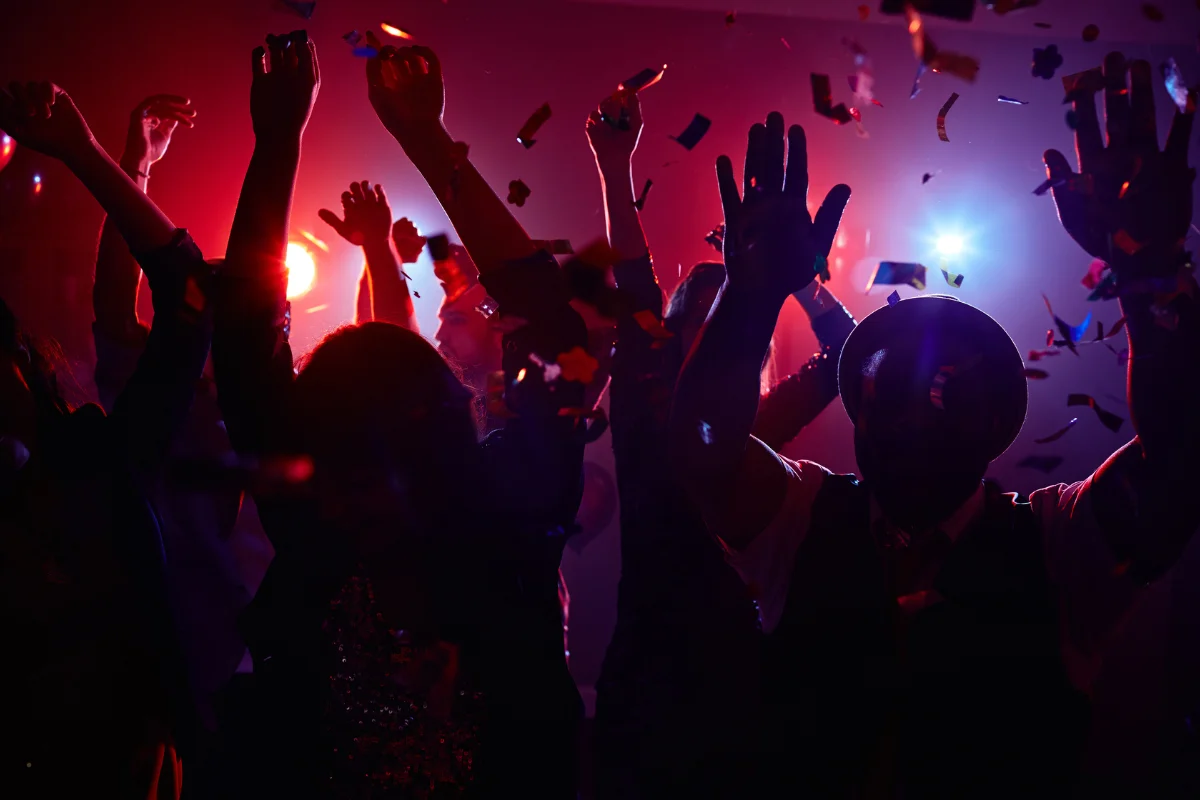

Barcelona has a live music bar scene that most visitors never find — not because it’s hidden, but because the good venues don’t advertise where tourists look. The clubs with the most Instagram presence are rarely the ones with the best music. The ones with the best music are in basements in the Raval, on side streets in the Gothic Quarter, and in neighborhood bars in Gràcia that have been running the same weekly sessions for decades.
This guide cuts through the noise. Every venue here is chosen for a specific reason — a weekly jam session considered one of the best in Europe, a free-entry policy with genuine live music every night, a flamenco space where Rosalía played before anyone knew her name. Organized by genre, with real start times and door prices so you can actually plan your night.
Quick Answer — Best live music bars in Barcelona by genre: Jazz: Harlem Jazz Club (Gothic Quarter, nightly, Thursday Blues Jam Session rated among Europe’s best). Free entry: Big Bang Bar (Raval, free every night, jazz and soul from 20:30). Funk/Afrobeat: Marula Café (Gothic Quarter, fixed weekly calendar by genre). Flamenco: 23 Robadors (Raval, €8 + drink, nightly from 19h, the real thing). Historic: London Bar (Raval, open since 1910, trapeze still hanging in the room). Indie: Heliogàbal (Gràcia, emerging artists, Thursday–Sunday).
A performance venue and a live music bar are not the same thing
Most “live music in Barcelona” lists are built around the same four venues that show up well in searches. What they miss is the difference between a performance venue and a live music bar — and that difference matters for how you plan your night.
Performance venues have ticketed shows, fixed setlists, and stage separation. Live music bars have musicians who arrive, set up, and play while you’re having a drink — sometimes with an open jam where anyone can join. The experience is completely different, and Barcelona has more of the latter than almost any other city in Europe.
The other thing worth knowing: access model matters as much as music quality. Some of the best venues here are free to enter. Others charge €8. None of them will feel like a rip-off if you go in knowing what to expect.
Jazz, blues and swing — the best venues in Barcelona
Harlem Jazz Club: one of Europe’s great Thursday jam sessions
The Harlem Jazz Club on Carrer de la Comtessa de Sobradiel in the Gothic Quarter has been running nightly live music since the 1980s — jazz, blues, funk, and Brazilian music across a week of programming that covers more stylistic ground than any other small venue in the city.
The room is intimate by design. Musicians play within meters of the audience. There’s no elevated stage in the theatrical sense — the performers are simply at one end of a narrow, low-ceilinged space that was built for exactly this.
The fact that defines this venue: the Thursday Blues Jam Session is considered one of the most important in Europe. It’s an open session — musicians from the audience can join the stage. That format, done badly, produces chaos. Done well, as it consistently is here, it produces the kind of unrepeatable musical moments that make people come back every Thursday for years.
Open Tuesday–Sunday from 20h. Music starts around 22h. Some nights are free with a minimum drink; others have a door charge that varies by artist. Check their website or Instagram for the weekly schedule before you go.
📍 Carrer de la Comtessa de Sobradiel 8, Gothic Quarter | Metro: Jaume I (L4)
Jamboree: double sessions under the Plaça Reial
Jamboree has been operating under the Plaça Reial for decades and has earned its reputation as the most well-known jazz club in Barcelona — not always a compliment, but in this case deserved. The format is double sessions: the first set leans toward acoustic jazz, the second shifts toward funk and R&B as the night progresses.
What makes Jamboree worth choosing over a generic jazz bar is the acoustic architecture. It’s a basement with walls that absorb and return sound in a way that was designed for jazz performance — not a converted bar that happens to have a microphone stand. That difference is audible.
Practical note: Tarantos, the flamenco venue, operates in the same building on the same plaza. If you want to cover both genres in one night without moving neighborhoods, this is the spot.
📍 Plaça Reial 17, Gothic Quarter
Full Gothic Quarter neighborhood guide →
Milano Jazz Club: the 1930s room in the Eixample
The Milano Jazz Club reconstructs the aesthetic of a 1930s jazz salon — art deco interiors, classic cocktail menu, musicians on a small elevated stage. Sessions of jazz, swing, and R&B start at 20:30. The venue operates simultaneously as a restaurant and bar, which means you can arrive for dinner and stay for the music without changing tables.
Among the jazz bars in this guide, the Milano has the most refined atmosphere. If the priority is a quality drink alongside quality music in a well-designed space, this is the one.
Funk, soul and global rhythms
Big Bang Bar: free entry every night, no exceptions
The Big Bang Bar in the Raval operates on a model that’s rare for a live music venue: free entry every single night. No door charge, no minimum entry fee. You pay for what you drink. That’s it.
The programming covers jazz, soul, funk, R&B, and rock, with open jam sessions where musicians from the audience can take the stage. Open nightly from 20:30. The open mic format means the quality varies — but it also means you might witness something genuinely unexpected.
The bar has a history in Barcelona’s jazz scene that predates the current wave of trendy venues. It has survived multiple decades of neighborhood change in the Raval by doing one thing consistently: live music, every night, free to walk into.
📍 El Raval
Marula Café: the fixed weekly calendar that makes planning easy
Marula Café in the Gothic Quarter has the most predictable programming structure of any bar in this guide — the same genres on the same nights every week, without variation:
- Wednesday: World Groove (global music and fusion)
- Thursday: Hit Me! Funk (funk and soul)
- Sunday: Afro-Latin Jam (afrobeat and Latin rhythms)
This fixed calendar model is worth more than it sounds. Most live music bars require checking Instagram stories or a website to figure out what’s happening any given night. Marula removes that friction entirely — if you want funk, go Thursday. If you want Afro-Latin, go Sunday. No research required.
The venue expands its schedule with additional sessions Friday and Saturday during high-activity periods.
📍 Carrer dels Escudellers 49, Gothic Quarter
Diobar: afrobeat and Balkan sounds in El Born
In the basement of a Greek restaurant in El Born, Diobar programs live music Thursday through Sunday with artists specializing in afrobeat, salsa brava, and Balkan rhythms — a programming niche that almost no other venue in Barcelona covers consistently.
The atmosphere is neighborhood bar with live performance, not formal concert venue. Drink prices are reasonable for the Born. For anyone whose musical taste runs toward global rhythms outside the Anglo-jazz-funk axis, Diobar is the only regular option in the city center.
📍 El Born
Flamenco — the real thing, not the tourist show
23 Robadors: where Rosalía played before anyone knew her name
The distinction between a flamenco tablao and a flamenco bar matters enormously in Barcelona. Tablaos are choreographed shows with costumes, dinner menus, and lighting designed for an audience that has never seen flamenco before. They’re not without value, but they’re a performance product, not a music space.
23 Robadors is not a tablao.
It’s a small bar on Carrer dels Robadors in the Raval with a minimal stage, serious musicians, and an audience that comes to listen. The cantaor and guitarist are close enough that you can see their hands. There’s no choreography. There’s no costume change. There’s no compulsory dinner.
Rosalía performed here in her early years before her first album. That’s the level of artist the room attracts — musicians who are genuinely good, not performers delivering a product for tourism.
Price: €8 + mandatory drink. Open nightly from 19h.
📍 Carrer dels Robadors 23, El Raval
Gran Bodega Saltó: Saturday vermouth with live rumba in Poble-sec
The Gran Bodega Saltó in Poble-sec runs a “musical vermouth” format on weekend afternoons — live rumba, blues, and rock starting at midday in a century-old bodega with original tile floors, dark wood, and walls lined with old bottles.
The Saturday afternoon session at the Bodega Saltó is specifically and demonstrably local. The crowd is not tourist-facing. The format — vermouth, tapas, live music, Saturday afternoon — is a Barcelona neighborhood ritual that predates the city’s tourism industry by decades.
For anyone wanting live music before nightfall in a setting that feels genuinely Barcelonese: this is the most singular option in the guide.
📍 Carrer de Blesa 36, Poble-sec | Metro: Paral·lel (L2, L3)
The oldest live music venue in the city
London Bar: open since 1910, trapeze still in the room
The London Bar on Carrer de la Nou de la Rambla in the Raval opened in 1910 and has been operating continuously since — one of the longest-running live music venues in Barcelona. The interior is original: Modernisme woodwork, gilded mirrors, curved bar, and the decoration of a space that was never renovated to look vintage because it simply never stopped being vintage.
The trapeze hanging near the entrance is not decorative irony. It’s a tribute to the circus performers who rehearsed in the back room in the bar’s early decades. Picasso, Miró, Hemingway, and Gaudí all drank here at different points in the 20th century. The bar was later revived by the Raluy family and maintains its identity as a variety hall with live music.
📍 Carrer de la Nou de la Rambla 34, El Raval
Indie and alternative
Heliogàbal: where Barcelona’s indie scene starts
Heliogàbal in Gràcia is the reference point for independent and experimental music in the neighborhood — and arguably in the city. The venue’s model is explicitly a platform for emerging artists: it doesn’t just book concerts, it partners with independent labels, cultural collectives, and publishers to develop the artists it programs.
Programming spans jazz, experimental folk, rock, and genre-resistant fusion. Open Thursday–Sunday. Entry is inexpensive. The acts playing here are, statistically, the acts that will be playing larger venues in two to three years.
📍 Gràcia | Metro: Fontana (L3)
Club Sauvage: rock and indie under the Plaça Reial
Club Sauvage — formerly known as Sidecar, one of the foundational indie venues in Barcelona since 1982 — maintains the alternative rock and indie tradition in a basement beneath the Plaça Reial. Capacity 200–300. Programming includes rock, indie, hip-hop, and urban pop from both local and international acts.
Entry with one drink included around €7. The club has more atmosphere after 2 AM.
Larger format concert rooms worth knowing
Sala Apolo (Nou de la Rambla 113, Paral·lel) has two spaces: the main theatre for 1,200 people — original red velvet, chandeliers, and the bones of a 1940s dance hall — and La [2] for 400 in a darker, club-oriented room. Tickets from €14 for international touring acts. The most versatile mid-size room in Barcelona.
Luz de Gas (Eixample) has Belle Époque cabaret theatre decor, original from 1995. Jazz, soul, rock, and occasional classical. Open Wednesday–Saturday from midnight.
Sinestesia (Sants) is the only venue in Barcelona that formally integrates visual art installations with live music performance in the same space simultaneously. Programming mixes experimental music with live visual work.
How much does live music cost in Barcelona?
| Venue | Entry | Drink |
|---|---|---|
| Big Bang Bar | Free | Pay as you go |
| Harlem Jazz Club | Free–€10 (varies by night) | Included or separate |
| Marula Café | Free–€8 | Separate |
| 23 Robadors | €8 | Mandatory (included in price) |
| Jamboree | €10–€15 | Separate |
| London Bar | Free–€5 | Separate |
| Heliogàbal | €5–€10 | Separate |
| Club Sauvage | ~€7 (with drink) | Included |
| Sala Apolo | €14–€30 | Separate |
Budget tip: If you want live music every night at zero door cost, Big Bang Bar (free nightly) and the free nights at Harlem Jazz Club are your base. Add 23 Robadors one night for the flamenco experience — the €8 entry is among the best-value live performances in Spain at any level.
Best nights to go — by genre
| Genre | Best night | Venue |
|---|---|---|
| Blues jam (open) | Thursday | Harlem Jazz Club |
| Funk | Thursday | Marula Café |
| Afrobeat / Latin | Sunday | Marula Café |
| World music | Wednesday | Marula Café |
| Flamenco | Any night | 23 Robadors (from 19h) |
| Rumba / vermouth | Saturday afternoon | Gran Bodega Saltó |
| Jazz (double session) | Any night | Jamboree |
| Indie / emerging | Thursday–Sunday | Heliogàbal |
| Rock / alternative | Thursday–Sunday | Club Sauvage |
Tips: how to get the most out of Barcelona’s live music bars
Arrive before the music starts. Most venues fill up fast once the set begins. Arriving 20–30 minutes early means you get a seat. Arriving after the first song means standing at the back.
Ask about the format before you sit. “Is this an open jam or a closed set?” changes the experience entirely. The bar staff will always know.
Don’t judge a venue by its exterior. The best live music bars in Barcelona — 23 Robadors, Diobar, Big Bang Bar — have doors that look like nothing special. That’s the point.
Check Instagram the day of, not a week ahead. Schedules change. A musician cancels, a session moves. The venues that do this well post updates the day of on Instagram Stories.
Flamenco before midnight, jazz after. The 23 Robadors schedule starts at 19h and the first session ends before the late crowd arrives. Jazz and funk bars hit their stride between 22h and 01h. Doing flamenco early and jazz late is a structurally sound night out.
What to avoid
Walking into a tablao expecting the 23 Robadors experience. Tablaos are a different product — professionally choreographed shows for audiences new to flamenco. They’re not inferior, but they’re not the same. Decide which experience you want before booking.
Arriving at Sala Apolo before midnight. The venue doesn’t reach full atmosphere until 01h. Early arrival means an empty room at full drink prices.
Booking a live music bar table without checking the genre. Marula’s Wednesday World Groove and Thursday Funk sets have genuinely different crowds and energy. Check the night against the genre before you commit.
Frequently asked questions
Where can I find free live music in Barcelona?
Big Bang Bar in the Raval has free entry every night with jazz, soul, and rock from 20:30. The Harlem Jazz Club has some free nights (check their schedule). The Gran Bodega Saltó has free entry for the Saturday afternoon vermouth sessions. None of these require advance booking.
What’s the best jazz bar in Barcelona?
The Harlem Jazz Club for intimacy and the Thursday Blues Jam Session. Jamboree for double sessions and acoustic quality. Milano Jazz Club for atmosphere and cocktails. All three are within walking distance of each other in or near the Gothic Quarter.
Where can I see authentic flamenco in Barcelona (not a tourist show)?
23 Robadors in the Raval. €8 plus a mandatory drink, open nightly from 19h. Small room, close proximity to the musicians, no choreography or costume show. Rosalía performed here early in her career. This is the most cited venue among people who know the difference.
What nights does Marula Café have live music?
Fixed weekly schedule: Wednesday (World Groove), Thursday (Hit Me! Funk), Sunday (Afro-Latin Jam). Additional sessions on Friday and Saturday during active periods. Located at Carrer dels Escudellers 49 in the Gothic Quarter.
What is the oldest live music bar in Barcelona?
The London Bar on Carrer de la Nou de la Rambla in the Raval, open continuously since 1910. Original Modernisme interior. A trapeze hangs near the entrance as a tribute to the circus performers who rehearsed there. Picasso, Miró, Gaudí, and Hemingway were all regulars at different points.
What’s the difference between Jamboree and Harlem Jazz Club?
Jamboree (Plaça Reial) runs double sessions, shifts from jazz to funk as the night progresses, and has a larger capacity and more produced sound. Harlem Jazz Club (Gothic Quarter) is more intimate, focuses on local and visiting jazz artists, and has the Thursday open jam session as its signature event. Both have nightly programming. Jamboree leans later and louder; Harlem leans earlier and more focused.
If the night ends with a drink rather than a set, the city’s gin tonic protocol has its own rules of glass, ice and ratio in the gin tonic bars guide.
Plan your full night
For the late-night continuation after live music — cocktail bars, speakeasies in El Born, and clubs in the Raval with real closing times — the Barcelona nightlife guide by neighborhood → covers the full map from 23h to 6h.
If you want to pair live music with Barcelona’s broader cultural scene, things to do in Barcelona at night → has the complete picture including flamenco tablaos, rooftop bars, and late-night food.
Three venues, three decisions: Big Bang Bar if you want music and zero door cost. 23 Robadors if you want flamenco close enough to feel it. Harlem Jazz Club on a Thursday if you want to see what an open jam session looks like when it’s done right.