
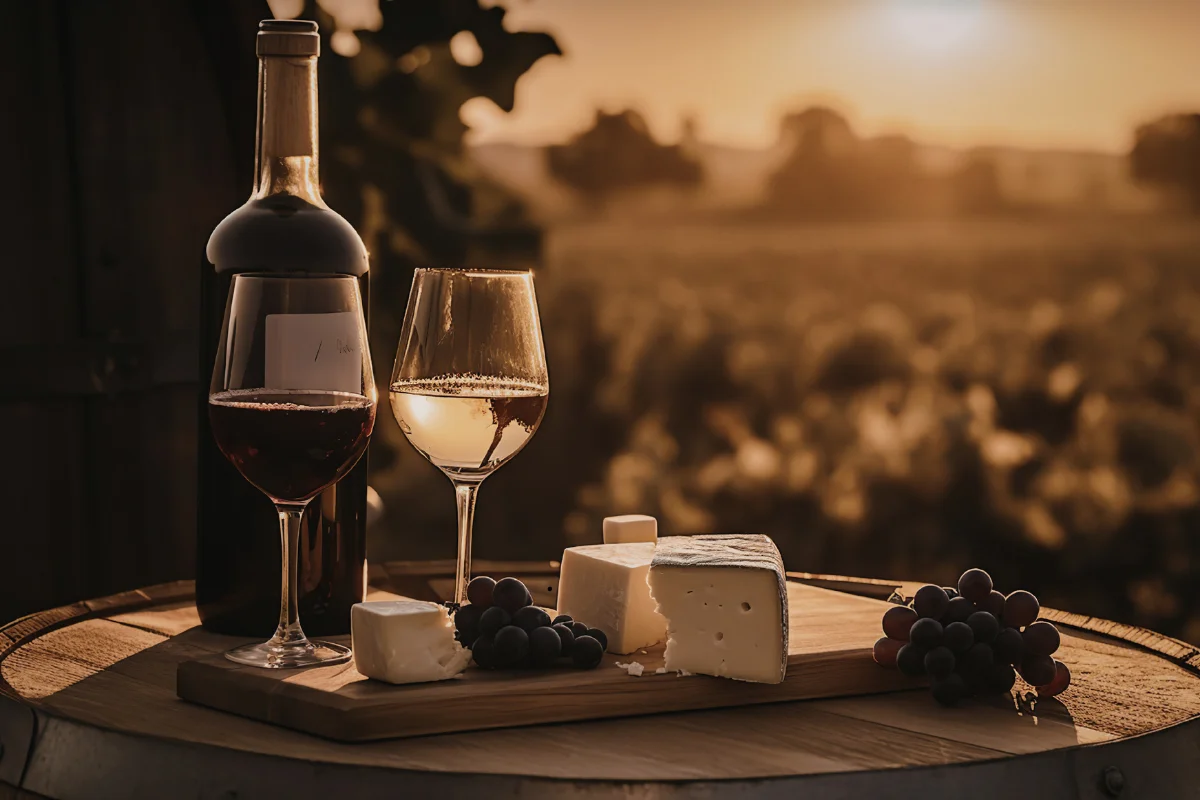

Barcelona’s wine scene divides into two circuits that routinely get conflated: the city’s wine bars, tasting spaces and sommelier-led sessions on one side, and the wine regions within an hour — Penedès, Alella, Priorat — that require leaving Barcelona but deliver a fundamentally different experience.
Trying to do both in a single day is the most common mistake. The city circuit is about access, discovery and urban atmosphere. The winery circuit is about vineyards, production and tasting in context. They serve different needs. This guide keeps them separated.
Where to do wine tasting in Barcelona? In the city: Vila Viniteca (El Born, 11,000+ labels, weekly tastings from €35), AmoVino (guided group tastings twice monthly, from €35), Monvínic (premium sommelier experience, Eixample). Day trips: Penedès (R4 train from Plaça Catalunya, 50–60 min, 300+ wineries), Alella (15 min from centre, Mediterranean sea views), Priorat (2 hours, Celler de Capçanes tastings from €5). Annual event: Barcelona Wine Week, February, Fira de Barcelona, 1,300+ wineries.
City wine tasting: three venues worth your time
Vila Viniteca — the reference point in El Born
Vila Viniteca (Carrer dels Agullers, 7) is the most important wine shop in Barcelona and one of the most significant in Spain by selection and reputation. Over 11,000 labels, organised weekly tasting events covering regions, grape varieties and vintages, and one institutional event that places it on the European map: the Blind Tasting Pairs Competition, which carries a €50,000 prize pool — the largest in Europe for blind wine tasting.
That competition changes how you read Vila Viniteca. It isn’t just a shop with a tasting programme; it’s an institution that the professional wine world takes seriously. For visitors, that translates into a level of curation and staff knowledge that’s harder to find elsewhere in the city.
Located in El Born, within walking distance of the Museu Picasso and Santa Maria del Mar. The tastings run through the week — check the current schedule directly, as availability varies by theme and season.
AmoVino — regular tastings with visiting producers
AmoVino has its own tasting room in the city centre and runs a structured programme: group tastings with visiting wineries twice a month, plus private tastings on request. The format is guided by a sommelier with the producer present when possible — which changes the dynamic considerably compared to a retailer-led session.
Pricing is transparent and fixed:
- “Journey through Catalonia” tasting: €35/person
- “Great Wines of Spain”: €55/person
- Sensory tasting session: €55/person
- Duration: 1–2 hours
For visitors who want a structured introduction to Spanish and Catalan wine without committing to a full course, the twice-monthly format at AmoVino is the most accessible recurring option in the city.
Monvínic — the premium end of the spectrum
Monvínic (Carrer de la Diputació, 249, Eixample) is where serious wine enthusiasts go when they’ve already covered the basics. Sommelier-led tastings, fine dining pairings and a selection focused on wines of authorship rather than brand recognition.
The clientele knows wine. The sessions assume prior knowledge. If you’re approaching wine for the first time or want an accessible social tasting, Monvínic is the wrong starting point — but for experienced tasters looking for a rigorous evening, it’s the best option the city offers.
Quick decision: which wine experience fits your visit?
- Best selection and most rigorous environment in the city → Vila Viniteca (El Born) — 11,000+ labels, weekly tastings, home of Europe’s largest blind tasting competition
- Regular guided tastings in small groups with producers → AmoVino — twice monthly, from €35, sommelier-led, approachable for beginners
- Premium sommelier experience → Monvínic (Eixample) — technically demanding, fine-wine focus, best for people who already know wine
- Closest wine tourism to Barcelona with sea views → Bouquet d’Alella or Alta Alella — 15–20 min from centre, Mediterranean-facing vineyards, tastings from €38–45
- Classic cava destination by train → Penedès (R4 from Plaça Catalunya, 50–60 min) — Codorníu, Freixenet, Juvé & Camps; architectural visit + tasting from €50–70
- Most powerful wine experience with more time → Priorat — Celler de Capçanes from €5 (young wine, semi-aged, aged); the most concentrated and characterful wines in Catalonia
- Biggest wine event of the year → Barcelona Wine Week (February, Fira de Barcelona) — 1,300+ wineries, 90 Denominations of Origin
Wine bars with a genuine tasting culture
Beyond formal tasting sessions, several bars in Barcelona have built a culture of guiding customers through the wine on the list:
La Vinya del Senyor (El Born, facing Santa Maria del Mar): one of the widest wine selections in the city, served by staff who orient rather than upsell. The terrace is one of the most pleasant in the neighbourhood.
Bar Brutal / Salvatge (Sant Antoni / Eixample): natural wines and minimal-intervention producers, informal tasting events and a deliberately informal atmosphere. The opposite of traditional wine culture — which is exactly the point for a growing segment of wine drinkers.
55 Aromas (Gràcia): natural wines from small producers, run with the opposite of wine snobbery. One of the better entry points for people who want to explore natural wine without the performance that sometimes surrounds it.
For a broader look at Barcelona’s best wine bars, the guide covers venues by neighbourhood and style across the city.
Winery day trips from Barcelona: three regions with different profiles
Penedès — the most complete circuit by train
The Penedès is the wine region with the best logistics for visitors staying in Barcelona. R4 train from Plaça Catalunya or Sants to Sant Sadurní d’Anoia: 50–60 minutes, €5–14 return. The key advantage is that you can drink freely without worrying about driving — which changes the depth of a winery visit considerably.
The major wineries:
- Codorníu: designed by Puig i Cadafalch, a Modernista building with 26 km of underground cellars. The architecture alone justifies the visit. Cava production explained in full. Tasting from €18–22 depending on the format.
- Freixenet: the most internationally recognised cava brand, located a short walk from Sant Sadurní station. Detailed production tour with tasting. From €15.
- Juvé & Camps: the most technically oriented of the three. Specialists in extended-aging cavas with the hand-riddling process (dégorgement artisanal) explained in detail. Better for visitors already familiar with sparkling wine.
- Finca Viladellops: “Alchimia del Vi” blending workshop — you create your own coupage from the estate’s varieties. €65, one of the most interactive wine experiences in the region.
- Pares Baltà: 4x4 tours through certified organic and vegan vineyards. The most dynamic format in Penedès for people who want the physical experience of the landscape rather than a cellar tour.
The Torelló Viticultors benchmark: the Guía Peñín 2025 placed 10 of their wines above 90 points. The “Torelló Collection 2012 Brut Nature” reached 95 points — a reference point for understanding the ceiling of Penedès sparkling wines.
For the complete day-trip logistics, the Penedès wine route guide covers train times, which wineries accept walk-ins and what to expect in each village.
Alella — Mediterranean vineyards 15 minutes from the city
Alella is the closest DO (Denomination of Origin) to Barcelona — 15 km from the city centre. The soil type, sauló (decomposed granite), produces whites with a salinity specific to this small zone that doesn’t replicate elsewhere in Catalonia.
Bouquet d’Alella: a 15th-century farmhouse with tastings from €45 (wines paired with artisan cheeses) and a range of experiential formats:
- Yoga & Wine with Move Om: €25
- Premium Picnic in the vineyards: €68
- Calçotada workshop in the vines: €97
Alta Alella: the only winery in the zone where you can see the Mediterranean from the vines. Organic wines, small groups, the most visually striking setup of any winery near Barcelona. Photography is self-explanatory.
Access: Sagalés bus e19 from central Barcelona (20–25 min) or Rodalies R1 to El Masnou, then 10 minutes by taxi.
Priorat — the most powerful wine, but plan for more time
Priorat is two hours from Barcelona by car and requires a dedicated day — it doesn’t fit into a casual morning trip. But it holds Catalonia’s only D.O.C.a classification (shared with Rioja in Spain), and the wines — Garnacha and Carignan grown on black slate called llicorella — are unlike anything in the Penedès.
Celler de Capçanes (founded 1933): tastings from €5 — a young wine, a semi-aged and an aged — the lowest entry price to genuine Priorat in the region. Beginner courses also available.
Combining Priorat with a stop in Tarragona makes the trip into a full weekend rather than a rushed day.
The Barcelona Wine Week — the biggest event in the calendar
The Barcelona Wine Week (BWW) takes place each February at the Montjuïc venue of Fira de Barcelona. The most recent edition brought together over 1,300 wineries from 90 Denominations of Origin, with buyers from the US, Germany and China. Access to the professional fair requires accreditation — buyers, journalists and industry professionals.
For visitors without accreditation, the parallel programme “BWW Likes the City” is the entry point: restaurants and wine bars across Barcelona offer special wine menus and tasting events during the week. It’s the highest concentration of accessible wine programming in the city at any point in the year.
Cavatast (October, Parc Lluís Companys): the public-facing showcase for Catalan cava — less formal than the BWW, accessible to anyone, and a better entry point for casual wine interest than the professional fair.
If the goal is learning rather than drinking
For people who want to go beyond tasting into understanding:
- CETT (linked to the University of Barcelona): introductory sommelier programme, blended learning, sensory classroom, winery visits and a university extension certificate equivalent to 27 ECTS
- Taca de Vi: weekly courses from €32, running since 2012, introductory and recurring tasting group formats
- Sucsuc Wine: 10-week natural wine course with blind tasting of 6 wines per class — the most specific option for anyone trying to understand minimal-intervention wines
How much does wine tasting cost in Barcelona?
Entry-level city tasting: €20–40. Guided group tasting with maridaje: €35–70. Winery visit with tasting: €50–120. Premium (private sailboat tasting, bespoke private sessions): from €80. The single cheapest wine tasting with genuine quality behind it is Celler de Capçanes in Priorat at €5 — but that requires two hours of travel. In Barcelona, AmoVino from €35 offers the best balance of price, content quality and regularity.
Mistakes to avoid
- Booking a winery visit in Penedès on a Monday — most wineries are closed; Tuesday to Saturday is the reliable window, Sunday is variable
- Going to Alella without checking bus times — the Sagalés e19 runs less frequently than city lines, and missing the last bus means a taxi
- Treating Monvínic as a drop-in bar — it’s a destination for serious wine sessions, not casual drinks
- Confusing the BWW professional fair with the public programme — the main event requires trade accreditation; the “Likes the City” events are what’s genuinely open
- Trying to combine Penedès and Alella in the same day — the train logistics work against it and the experience at each winery deserves more time than a rushed visit allows
The winter meal that goes with those bottles is the calçotada — three hours at the table, menus from 36.50 to 59 €, season from November to April — mapped in the calçotada guide. For a cheaper table, the rotisserie chicken guide runs from Els Pollos de Llull to A Pluma, the project of an ex-El Bulli cook.
Who is this for?
First-time wine tourists → Vila Viniteca for the selection and atmosphere, AmoVino for a structured session, Penedès by R4 train for the full winery experience without a car
Wine enthusiasts → Monvínic for rigorous tasting, Priorat for the D.O.C.a wines, Juvé & Camps for extended-aging cava with technical depth
Couples or small groups → Bouquet d’Alella for sea-view vineyards close to the city, Alta Alella for organic wines in an intimate setting
Large groups → AmoVino private tasting (book ahead), Codorníu for the full architectural and production tour that scales well to groups
Natural wine interest → Bar Brutal / Salvatge for the bar format, 55 Aromas in Gràcia for the specialist retail-and-tasting hybrid, Sucsuc Wine for the educational deep-dive
For a broader evening starting with wine and ending with dinner, the Barcelona gastronomy route connects the main wine bar neighbourhoods with the restaurants nearby. For the day-trip context, the train excursions from Barcelona guide covers the R4 line details and the Sant Sadurní arrival logistics.