
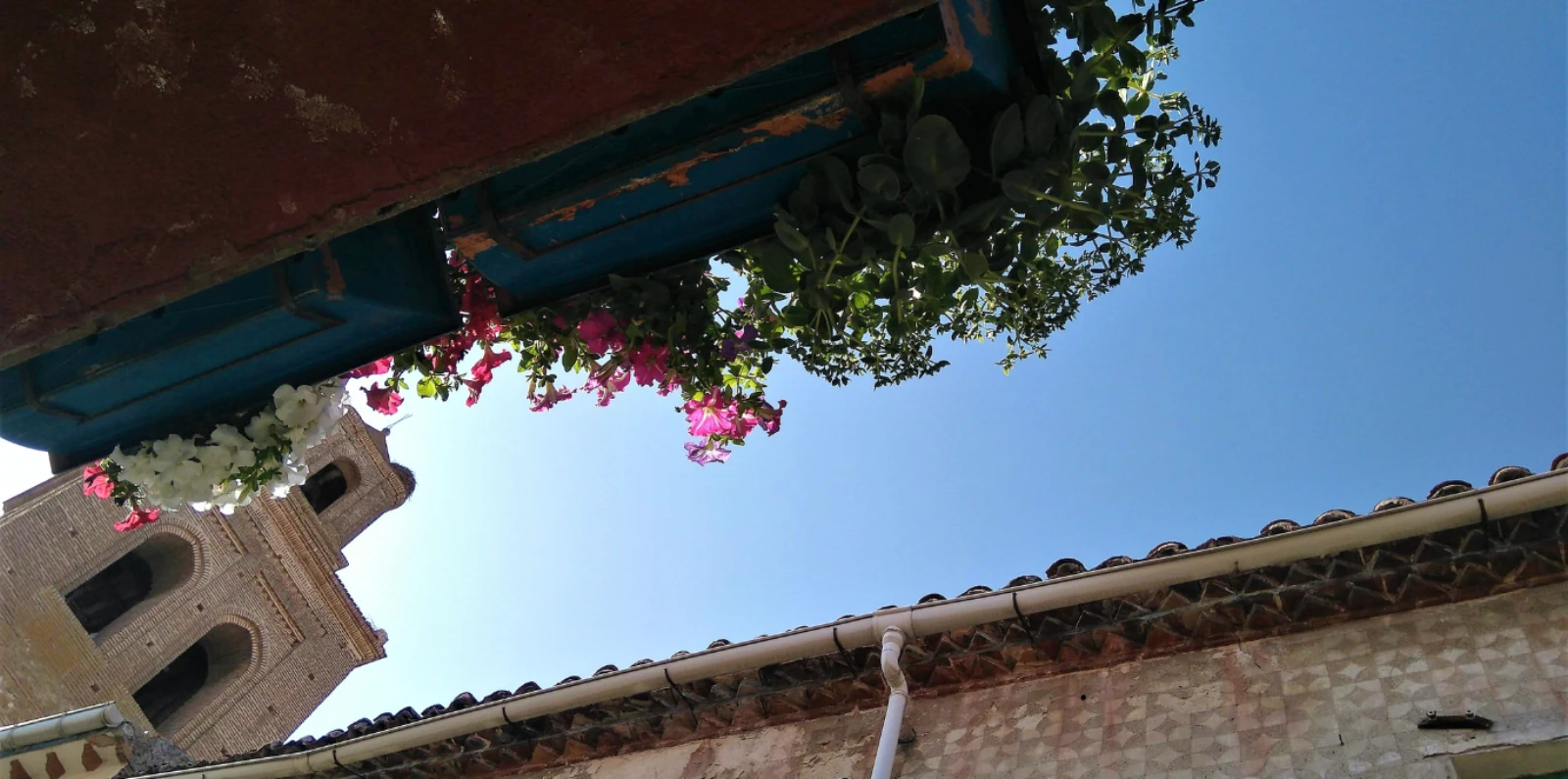

Most visitors reach Poble Espanyol after they have already seen the Sagrada Família and walked the Gothic Quarter, asking the same question: is a replica village worth a ticket when the real Spain is a train ride away. The honest answer turns on what you do once you are inside, because the same recinto can feel like a film set or like one of Montjuïc’s better-kept secrets.
What you are actually paying for
Poble Espanyol is an open-air architecture museum on the hill of Montjuïc, holding 117 full-scale buildings modelled on real places across Spain over roughly 40,000 m2. General admission also covers a serious contemporary art museum, live artisan workshops and immersive audiovisual rooms, which is why the value depends so heavily on how you use the visit.
Is Poble Espanyol worth visiting, and what does the ticket include? For €14.40 you get 117 architectural replicas spread across four regional zones, more than 20 working craft studios, immersive rooms on Spanish festivals, and the Fran Daurel museum with Picasso, Dalí and Miró. It is worth it for repeat visitors, families and architecture lovers; less so as a default first-day stop when the Gaudí landmarks still wait.
Quick decision by what you want
- Already ticked off the big sights → use it as a calmer day two — a 2-hour walk with none of the Sagrada Família queues
- Family with kids aged 4 to 12 → €9 child entry, giant slides by the monastery, and a 2-hour detective game across the village
- Into urban photography → whitewashed Andalusian lanes and the Romanesque cloister — best light at opening or near sunset
- Here for the art → the Fran Daurel museum is included, with 300-plus works and over 20 original Picasso ceramics
- After real craftsmanship → 20-plus glass, ceramic and leather studios — come on a weekday when more are open
- Planning a night out → summer concerts, the Tablao de Carmen flamenco dinner and La Terrrazza club, seasonal only
- Down to your last day in the city → skip it in favour of Gaudí, the Gothic Quarter or Montjuïc itself
A village built to vanish that refused to
Before the architecture, the backstory explains why the place feels the way it does. In 1927 a team of two architects, a painter and an art critic drove 1,600 Spanish towns in a Hispano-Suiza to choose which façades deserved copying. They built the village for the 1929 Barcelona International Exhibition, and it was meant to be demolished afterwards like every other pavilion.
It survived because of one stubborn decision. The architect Francesc Folguera refused lightweight plaster and insisted on stone, brick and durable mortar. That structural solidity carried the recinto through the Spanish Civil War, when it served as an internment camp, and through decades of later neglect, until the city revived it as a cultural venue. Knowing this changes how you read the buildings: they are not theme-park mock-ups but full masonry replicas, a few of which now serve as references for restoring the originals scattered across Spain.
Walking it, from Galicia to Andalusia in minutes
The appeal is geographic compression. In a 2 to 3-hour walk you cross from one region to another in a few steps, always on traffic-free streets. You enter through a gate modelled on the walls of Ávila and arrive almost immediately at the Plaça Major, the distributing heart of the site.
The village splits into four regional zones. The centre, around the main square, recreates inland Castilian and Aragonese style and holds the Valderrobres town hall, the only building with deep foundations. The southern zone copies Andalusian and Murcian urbanism with whitewashed walls and ironwork. The northern zone evokes the Cantabrian coast and the Camino de Santiago, complete with an Obradoiro square. The Mediterranean zone focuses on Catalonia, Valencia and the Balearics, crowned by the Romanesque Monastery of Sant Miquel, which blends elements from several Catalan monasteries rather than copying one, and offers the best city viewpoint on the grounds.
How many artisans are working decides the visit
The single biggest driver of a good or bad visit is how many artisans are actually working when you arrive. Poble Espanyol is a designated craft-interest site with more than 20 studios in glass, ceramics, leather, jewellery and wood, and watching the process in person is the most genuine thing here. Workshops you can join run separately, from €7 for glass mosaic to €250 for an advanced leather course.
The catch is that, depending on the hour and season, a chunk of those studios are shut, and that is the real reason so many reviews call the place “soulless” or “empty for the price.” The fix is specific rather than vague: weekday mornings put far more craftspeople at their benches than late weekend afternoons, when many have closed. Treat the workshop schedule, not the building count, as the thing that decides your visit.
The Fran Daurel museum, the part of the ticket nobody mentions
A large share of visitors pay and leave without realising the ticket includes a strong contemporary art museum. The Fran Daurel collection holds more than 300 works by Picasso, Dalí, Miró, Tàpies, Chillida and Barceló, including over 20 original Picasso ceramics that on their own lift the value of the entry.
For anyone who already knows Barcelona well, this indoor museum is usually the surprise of the day. An outdoor sculpture garden adds 37 large-format contemporary pieces set among greenery, with views over the city. If art rather than the stroll is what brings you, this is the section that justifies walking in.
Ticket types and prices for 2026
Travel planners consistently flag the same point: the gate price and the online price differ, and the right ticket depends on whether you will return or pair it with another Montjuïc sight. The table below sets the current options against what each one is best for.
| Ticket | Price | Best for | Limitation |
|---|---|---|---|
| Adult, online | €14.40 | First single visit, saves ~10% vs gate | Children’s rate does not apply |
| Child 4-12, online | €9 | Families with school-age kids | Under-4s free, no ticket needed |
| Annual family pass (2+2) | €80 | Locals and repeat visitors | Children must be aged 4-12 |
| Audio guide add-on | €3.50 | Understanding what each façade is | €20 deposit, returned on exit |
| Combined with Montjuïc cable car | varies | Pairing with hilltop views | Higher total, seasonal cable-car hours |
Three adjustments keep most visitors from leaving disappointed. First, book online to shave roughly 10 percent off the gate price and skip the queues that build on busy days. Second, take the €3.50 audio guide, because without it nobody explains which town each building represents. Third, check the events calendar first, since a festival being assembled fills the grounds with fencing and strips the photographic appeal.
Hours, location and the 2026 calendar
Official hours run Monday to Wednesday 10:00 to 20:00 and Thursday to Sunday 10:00 to midnight, with summer and holiday variations and an annual closure of roughly 7 January to 5 February. The recinto sits in the Poble-sec neighbourhood of the Sants-Montjuïc district, a short walk from the rest of Montjuïc’s castle and gardens and close to the MNAC collection.
The 2026 programme is unusually heavy. City listings confirm a summer concert run including Charlie Puth, Morrissey and Maria Becerra across July, plus OFFSónar in mid-June, alongside the recurring beer festival, night markets and the Natalis Christmas event. Because the atmosphere shifts so completely between a quiet morning and a concert night, the date you pick matters as much as the ticket.
Is it worth it, without the sales pitch
As an architectural walk it delivers: few places let you cross Catalan Romanesque to Andalusian Mudéjar in one morning, traffic-free. With children it works well thanks to the enclosed grounds, the slides and the workshops. For urban photography it is among the most rewarding spots on Montjuïc, especially at dusk with thin crowds.
The recurring criticism deserves equal weight. At full price, and without using the museum, crafts or events, many feel it is a tourist set lined with shops selling the same candles, sangria and cured meat, with restaurants pricey for their quality. If you have already travelled Spain and know the real towns, the collage feeling weighs heavier.
It is not a priority over the city’s essential first-time sights, and it should not outrank a full day on Montjuïc proper. But it clearly pays off if at least one condition holds: you care about vernacular architecture, travel with kids, come for a specific event, or fold it into a wider Montjuïc day. For travellers chasing quieter corners than the centre, it fits; for those chasing untouched authenticity, it does not.
Frequently asked questions about Poble Espanyol
How much does Poble Espanyol cost in 2026?
Standard adult entry is €14.40 online, children aged 4 to 12 pay €9, and under-4s go free. The annual family pass for two adults and two children is €80. The audio guide costs €3.50 extra with a €20 deposit. Booking online saves roughly 10 percent over the gate price.
How long do you need at Poble Espanyol?
A relaxed walk through the streets and squares takes 1.5 to 2 hours. Adding the Fran Daurel museum, the craft workshops and a sit-down meal stretches it to half a day. With a flamenco show or a festival, it easily fills an afternoon and evening.
Is the Fran Daurel museum included in the ticket?
Yes. General admission covers the Fran Daurel museum at no extra cost. It holds over 300 contemporary works by Picasso, Dalí, Miró, Tàpies and Chillida, plus a sculpture garden. Many visitors never realise it is part of their ticket.
Is Poble Espanyol worth it if you only have two days in Barcelona?
On a two-day trip, the Sagrada Família, Park Güell and the Gothic Quarter come first. Poble Espanyol pays off once you already know the city, travel with children, care about vernacular architecture, or come for a specific concert or festival on its calendar.
How do you get to Poble Espanyol by public transport?
Take metro lines L1 or L3 to Plaça Espanya, then walk about 10 minutes up Avinguda Francesc Ferrer i Guàrdia. Buses 13, 23 and 150 stop at the gate. Set your GPS to Porta d’Àvila rather than the MNAC steps, which lead to the wrong entrance.
Poble Espanyol does not reproduce Spain so much as edit it into a single morning, and that edit is exactly what wins some visitors over and loses others.