

If you visit Barcelona between April and October, you will see queues outside small shops for a milky white drink served ice-cold. That drink is horchata, and the version poured here has nothing to do with the rice-based horchata most English speakers know from Mexican restaurants.
How Spanish horchata differs from the version you know
Spanish horchata is made from chufa, the tiger nut — a small tuber farmed in Alboraya near Valencia under a protected designation of origin. The Mexican drink that shares its name is made from rice with cinnamon. They look alike but taste nothing alike, and mistaking one for the other is the most common error visitors make at the counter.
The chufa version is earthier, less sweet, and leaves a fine sandy sediment at the bottom of the glass — a marker of quality, not a defect. The name traces back to the Latin hordeata, meaning barley water, and the first written record of chufa horchata dates to 1762. It is naturally gluten- and lactose-free, and diabetic-friendly in its no-sugar form. That combination makes it one of the few traditional drinks a first-time visitor can order regardless of dietary limits.
Where do you drink horchata and granizado in Barcelona? The five historic horchaterías are El Tío Che (Poblenou, 1912), Sirvent (Sant Antoni, 1920), La Campana (El Born, horchata since 1952), La Valenciana (Eixample, 1910) and Planelles Donat (city centre, brand from 1954). All use chufa D.O. Alboraya. A glass costs €2.40 to €3, and the season runs April to October.
The five historic horchaterías, ranked by what they do best
Barcelona keeps a tight cluster of family horchaterías founded between 1890 and 1920, each grinding chufa on site. Rather than a uniform list, they sort cleanly by strength — icon, flavour, density, reliability, location — and the table further down lays the trade-offs side by side.
- El Tío Che (Poblenou) — the icon, 4.5 stars over nearly 5,800 reviews. At Rambla del Poblenou 44-46, with a tiled bar and marble tables. The Iborra family arrived from La Nucía in 1912 heading for Argentina, never sailed, and sold horchata in the street shouting “Xe, prova”. They moved to this corner in 1940; Irene Iborra is the fifth generation. Open year-round thanks to granizados, ice cream and pressed sandwiches.
- Sirvent (Sant Antoni) — the flavour pick, 4.6 stars over 3,100+ reviews, at Parlament 56. So busy it runs a ticket dispenser. Founded by a Xixona turrón maker around 1920; the family moved here in 1943. Note there is an unrelated “Sirvent” on Carrer Escorial in Gràcia — not the same business.
- La Campana (El Born) — the densest, at Princesa 36. The Mira family ground their first horchata here in 1952 (the turrón business dates to 1890). Unpasteurised, sugar cut year on year, with a diabetic-friendly version and 54 ice cream flavours. Open past midnight on weekends.
- La Valenciana (Eixample) — the year-round classic, at Aribau 16, run by the Cortés family since 1910. Dense, balanced, served with fartons, with an elderly local clientele that signals the real thing. Its old-counter feel puts it in the same family as the city’s historic granjas and traditional cafés.
- Planelles Donat (city centre) — the central stop on Portal de l’Àngel, a brand born in 1954 from two Xixona turrón families. Order the cubanito, chocolate ice cream dropped into horchata. It closed its number 7 shop in December but keeps branches at 25 and 27.
These spots map onto three distinct walks: El Tío Che belongs to a wander through the creative district of Poblenou, La Campana to the El Born walking route, and Sirvent to an afternoon around Sant Antoni.
Founding date and horchata date are not the same thing
The five houses are not interchangeable, and ordering horchata with fartons is only half the story. Founding date and horchata date are not the same thing, which changes how you read a shop’s pedigree.
La Campana is described everywhere as “from 1890”, but that is when the family started making turrón in Xixona; horchata only arrived at the Born shop in 1952. Planelles Donat traces its turrón line to 1850 in Plaça Reial, yet the horchata brand dates to the 1954 family merger. The genuinely continuous horchata operations are El Tío Che (1912 product, on this corner since 1940) and Sirvent (turrón maker arriving around 1920). Knowing this, the oldest horchata in the city is not the shop with the oldest sign.
Granizado, the other half of the summer counter
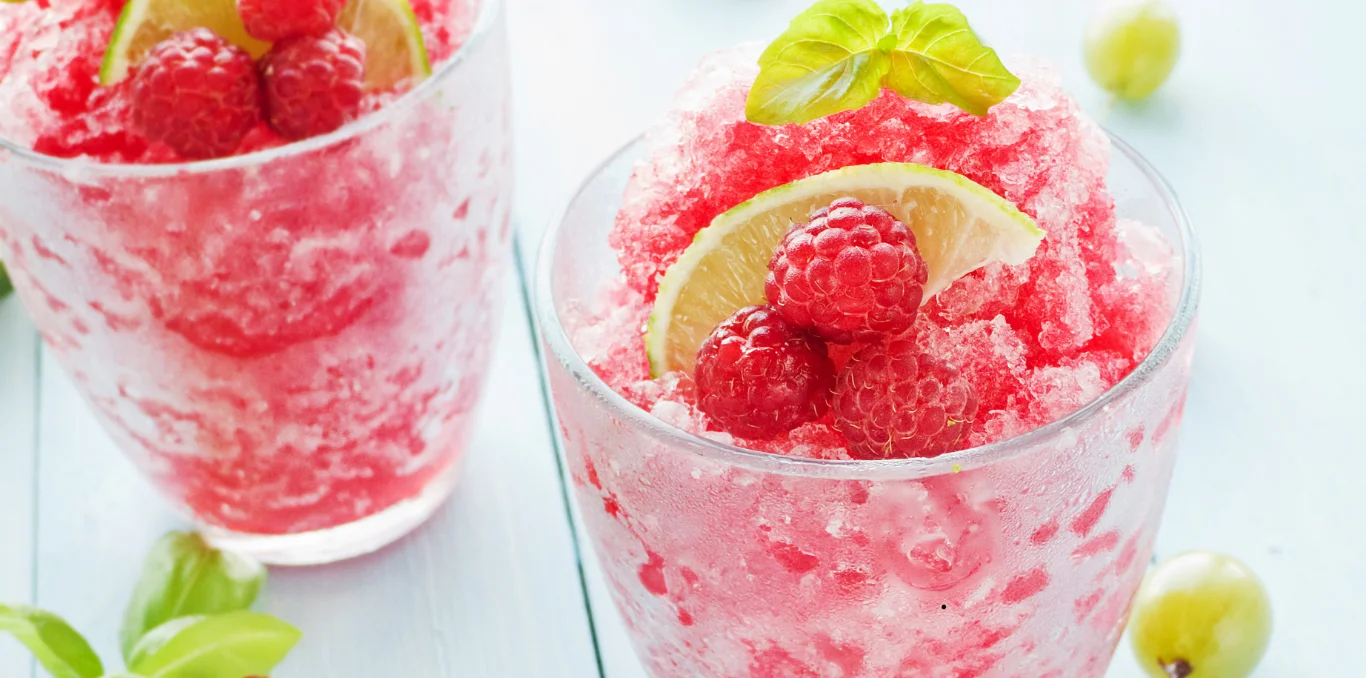
Granizado — granitzat in Catalan — is shaved ice with fruit juice or syrup, classically lemon or orange, sometimes coffee or strawberry. El Tío Che is the traditional pick for lemon, Sirvent for natural-fruit versions, and Bodevici in Gràcia for the modern take. The drink peaks in the same window as the best time to visit Barcelona for terrace weather, roughly June through September.
Bodevici stands apart as Europe’s first zero-waste horchatería, swapping single-use packaging for refillable and returnable glass, with organic chufa from Món Orxata. Its no-added-sugar organic granizados — watermelon and orange lead — plus vegan and gluten-free options make it the conscious-consumption choice. To order like a local, ask for a canario, half horchata and half lemon granizado.
Comparison table of Barcelona’s horchaterías
If you can only visit one and want the fullest experience, El Tío Che wins on atmosphere and history; if you are there purely for the drink in the glass, Sirvent is the connoisseurs’ pick.
| Horchatería | Neighbourhood | Founded | Best for | Limitation |
|---|---|---|---|---|
| El Tío Che | Poblenou | 1912 | Historic setting, all-day menu | Summer queues, away from the centre |
| Sirvent | Sant Antoni | 1920 | Horchata flavour, natural granizados | Small, plain shop with a queue |
| La Campana | El Born | horchata since 1952 | Dense, sugar-free horchata | Horchata only in warm season |
| La Valenciana | Eixample | 1910 | Open year-round, local crowd | Doubles as a café, less focused |
| Planelles Donat | Ciutat Vella | 1954 (brand) | Central location, ice cream mixes | Busy, pass-through feel |
Frequently asked questions about horchata in Barcelona
What is horchata in Spain and is it the same as Mexican horchata?
No. Spanish horchata is made from chufa (tiger nut), a small tuber grown in Alboraya near Valencia. Mexican horchata is made from rice with cinnamon. The chufa version is earthier and less sweet, with a sandy sediment. They share only the name, not the ingredient or the taste.
Where is the best horchata in Barcelona?
El Tío Che in Poblenou (since 1912) is the most iconic, rated 4.5 stars across nearly 5,800 reviews. Sirvent in Sant Antoni (since 1920) is the locals’ pick for flavour, at 4.6 stars over 3,100 reviews. La Campana in El Born makes the densest version, with chufa stone-ground daily.
How much does horchata cost in Barcelona?
A medium glass runs €2.40 to €3 at the historic horchaterías. In Gràcia, a litre to take away costs around €4.80. It is one of the cheapest artisan drinks in the city, and nearly every spot offers a no-added-sugar version at the same price.
When is horchata season in Barcelona?
Most horchaterías serve it from spring to early autumn, roughly April to October. A few like La Valenciana and Planelles Donat stay open year-round, switching to turrón in winter. Expect queues at Sirvent and El Tío Che through July and August.
What are fartons and how do you order horchata like a local?
Fartons are long, sugar-glazed pastries made for dunking in horchata. Order them alongside your glass at any Valencian horchatería. For a local move, ask for a canario — half horchata, half lemon granizado — the most refreshing summer mix in the city.
Judge a Barcelona horchata by what it leaves behind, not by how sweet it is: the more sand at the bottom of the glass, the closer it sits to the chufa fields it came from.